




What's Happening?
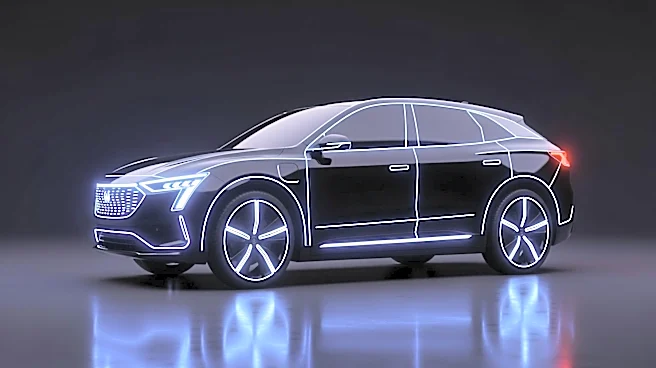
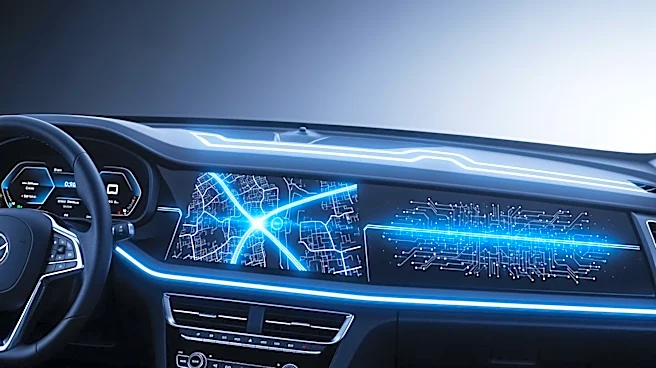
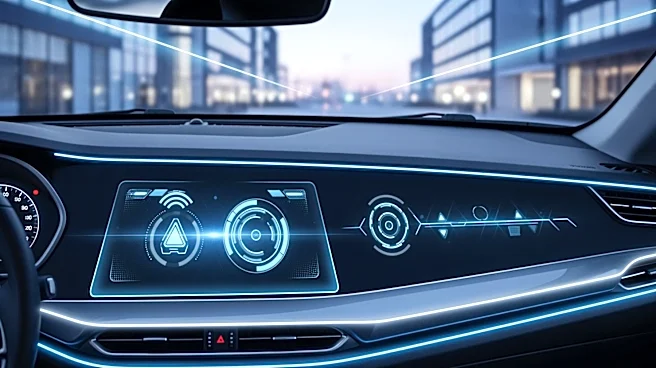
Dutch regulators have approved Tesla's Full Self-Driving (FSD) Supervised software, marking the first regulatory approval for this technology in Europe. The software, which handles most driving tasks on highways and city streets under human supervision,
was tested for 18 months before receiving approval from the Netherlands' RDW. This approval is a significant step for Tesla, as it seeks to expand the use of its driver assistance technology across Europe. The company plans to roll out the software in the Netherlands soon, with hopes of gaining acceptance from other European authorities. Tesla's FSD technology is already available in the U.S., where it faces consumer lawsuits and federal investigations due to crashes and traffic violations.
Why It's Important?
The approval of Tesla's FSD Supervised software by Dutch regulators is crucial for the company's growth strategy in Europe. Tesla's valuation heavily relies on the success of its self-driving technology and the potential revenue from robotaxis. The European market is particularly important for Tesla, as vehicle sales have slowed due to an aging electric vehicle lineup and CEO Elon Musk's controversial political statements. Wider adoption of FSD in Europe could boost Tesla's sales and solidify its position in the competitive electric vehicle market. Additionally, this approval could influence other European countries to follow suit, potentially leading to EU-wide acceptance of the technology.
What's Next?
Following the approval by Dutch regulators, Tesla will submit an application for EU-wide authentication to the European Commission. This process requires a majority vote from all member states within the responsible committee for the driver assistance system to become valid throughout the EU. If successful, Tesla's FSD Supervised software could see widespread adoption across Europe, significantly impacting the company's market presence and revenue streams. The outcome of this process will be closely watched by industry stakeholders and could set a precedent for the approval of similar technologies in the future.