






What's Happening?
Retailers are increasingly adopting neuro-inclusive strategies to improve the shopping experience for neurodivergent customers. This shift is driven by the recognition that a significant portion of consumers, approximately 20%, are neurodivergent, encompassing
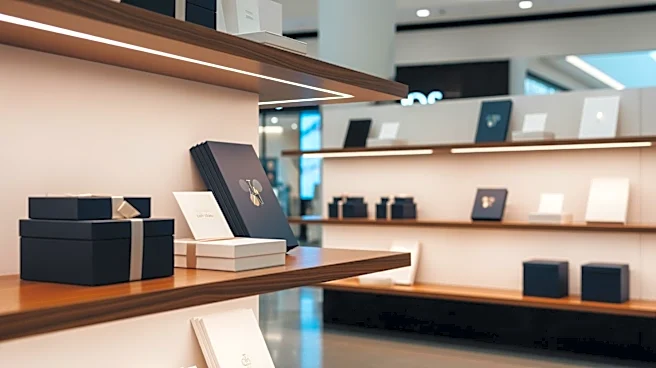
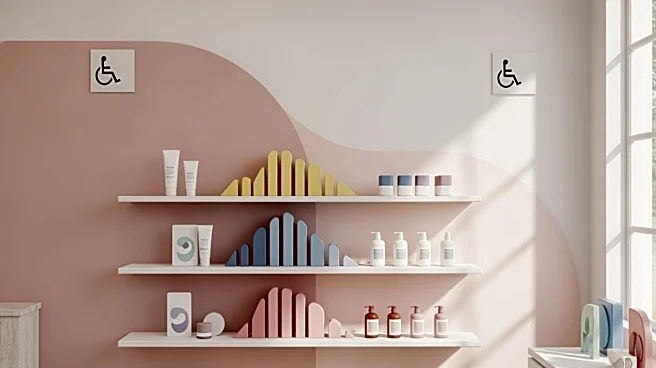
conditions such as ADHD, autism, and dyslexia. Neurohaus, a company co-founded by Olly and Amelia Markeson, is at the forefront of this movement, helping brands like Versace, Pandora, and Goodwill design retail spaces that cater to neurodivergent needs. These efforts include redesigning store layouts to reduce sensory overload and implementing digital screens with engaging content to create a more welcoming environment. The goal is to provide a shopping experience that is less overwhelming and more accommodating, ultimately increasing customer satisfaction and reducing return rates.
Why It's Important?
The move towards neuro-inclusive retail spaces is significant as it addresses the needs of a substantial consumer segment that has been largely overlooked. By creating environments that are more accessible and comfortable for neurodivergent individuals, retailers can tap into a market with considerable purchasing power. This approach not only enhances customer satisfaction but also promotes inclusivity and diversity within the retail industry. Additionally, by reducing sensory overload, these strategies can lead to more thoughtful purchasing decisions, potentially decreasing overconsumption and benefiting sustainability efforts. The initiative reflects a broader trend towards recognizing and accommodating diverse consumer needs, which can lead to increased brand loyalty and a competitive edge in the market.
What's Next?
As more retailers adopt neuro-inclusive practices, it is likely that these strategies will become standard in the industry. Brands may continue to innovate and refine their approaches to better serve neurodivergent customers, potentially leading to new design standards and best practices. The success of these initiatives could encourage other sectors to consider similar accommodations, further promoting inclusivity across various industries. Additionally, ongoing feedback from neurodivergent individuals will be crucial in shaping future developments and ensuring that these efforts effectively meet their needs.
Beyond the Headlines
The push for neuro-inclusive retail spaces highlights broader societal shifts towards greater awareness and acceptance of neurodiversity. This movement challenges traditional retail models that prioritize sensory stimulation to drive impulse purchases, instead advocating for environments that prioritize comfort and accessibility. The ethical implications of this shift are significant, as it promotes a more equitable shopping experience and acknowledges the diverse ways in which people interact with their surroundings. Long-term, this could lead to a reevaluation of consumer behavior and a greater emphasis on thoughtful consumption.