



What's Happening?
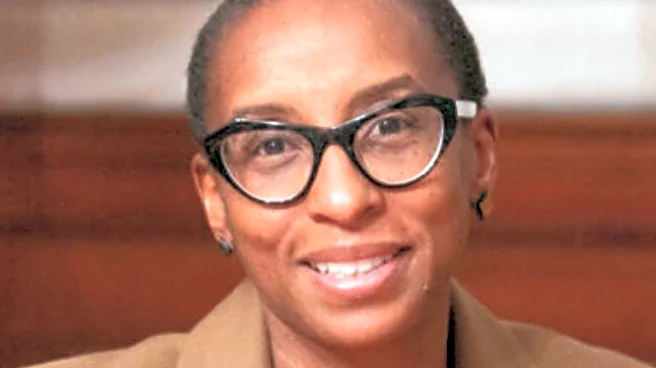
Leslie John, a behavioral scientist and professor at Harvard Business School, has released a new book titled 'Revealing: The Underrated Power of Oversharing.' In her book, John argues that sharing personal information, often perceived as oversharing,
can actually strengthen relationships and improve health. She recounts her own experience of sharing an embarrassing story with senior academics, which led to forming close mentorships. John's research suggests that revealing personal information can foster trust and emotional intimacy, which are crucial for strong relationships. This perspective aligns with the findings of the Harvard Study of Adult Development, which highlights the importance of relationships for happiness and longevity.
Why It's Important?
The concept of oversharing, as presented by Leslie John, challenges societal norms that discourage vulnerability. By promoting openness, John's work suggests a potential shift in how individuals approach personal interactions, emphasizing the health benefits of strong social connections. This could influence public health strategies by highlighting the role of emotional well-being in physical health. Additionally, it may impact workplace dynamics, encouraging environments where constructive feedback and personal sharing are valued. The broader acceptance of vulnerability could lead to more supportive communities and improved mental health outcomes.
What's Next?
As the ideas in John's book gain traction, there may be increased interest in integrating vulnerability practices into various aspects of life, including education and corporate training. Organizations might adopt policies that encourage open communication to enhance team cohesion and employee satisfaction. Furthermore, public health campaigns could incorporate messages about the benefits of social connections and emotional sharing. Researchers may also explore further studies on the impact of vulnerability on health, potentially leading to new therapeutic approaches.
Beyond the Headlines
John's work touches on the cultural expectations surrounding gender and vulnerability, particularly for women who may fear being perceived as overly emotional. Her book encourages a reevaluation of these norms, suggesting that embracing vulnerability can be empowering. This perspective could contribute to ongoing discussions about gender roles and emotional expression, promoting a more inclusive understanding of strength and sensitivity. Additionally, the book's insights might inspire individuals to reconsider their personal boundaries and the potential benefits of sharing more openly.