
What's Happening?
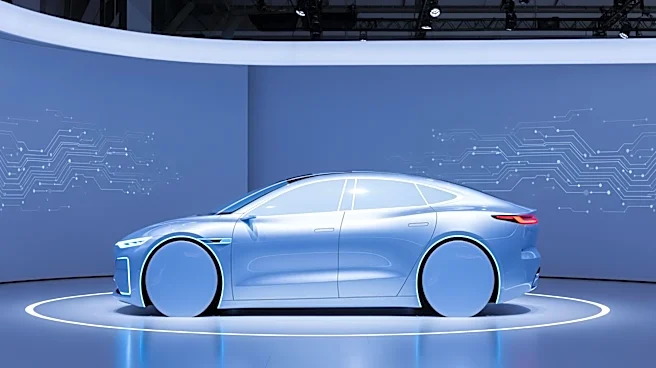
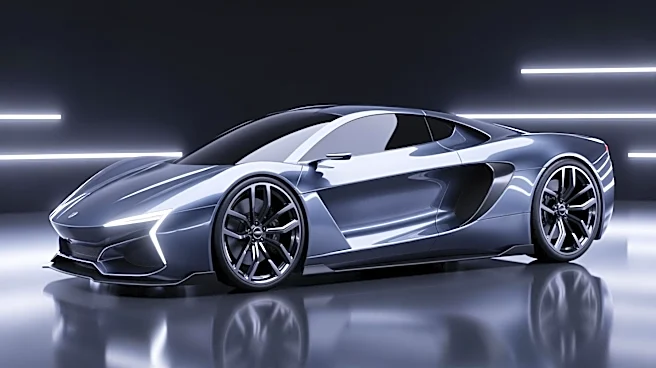
At the 19th Beijing International Automotive Exhibition, XPENG showcased its comprehensive product lineup, including new models like the GX, MONA M03, and the next P7. The company also introduced its next-generation humanoid robot, IRON, and a flying
car concept, demonstrating advancements in its Physical AI ecosystem. XPENG's VLA 2.0 intelligent driving system was a focal point, with the release of its first Intelligent Driving Report. This report highlighted significant user engagement and satisfaction, with a 98% satisfaction rate among nearly 100,000 consumers who participated in demonstrations. The report also noted a 44.7% reduction in the time from test drive to order placement, indicating a shift in consumer priorities towards intelligent driving features.
Why It's Important?
XPENG's advancements in intelligent driving and Physical AI represent significant strides in the automotive industry, particularly in the realm of smart electric vehicles (EVs). The company's focus on integrating advanced AI technologies into its vehicles could set new standards for consumer expectations and industry benchmarks. The high adoption and satisfaction rates of the VLA 2.0 system suggest a growing consumer demand for more intuitive and reliable driving experiences. This could influence other automakers to accelerate their own AI and intelligent driving developments, potentially reshaping the competitive landscape of the global automotive market.
What's Next?
XPENG plans to expand its full-scenario capabilities with new features like Campus and Underground Parking Safari, designed to handle complex driving conditions. The company aims to continue its investment in Physical AI technologies and accelerate the commercialization of next-generation products, including flying cars and humanoid robotics. These developments could further enhance user mobility and life experiences, positioning XPENG as a leader in AI-driven mobility solutions.