

What's Happening?
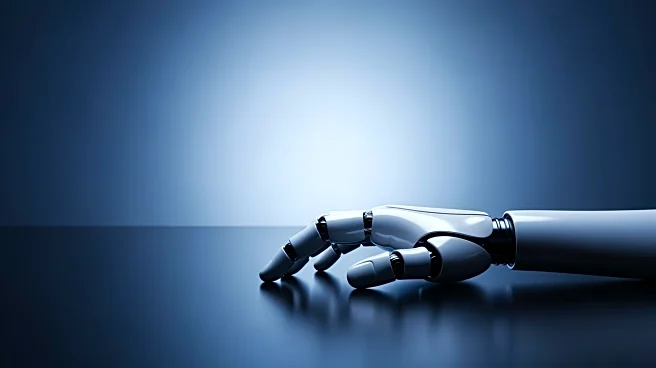
In 2025, the consumer robotics industry is experiencing significant challenges, with notable developments surrounding Tesla's Optimus robot. Despite Tesla's CEO Elon Musk's ambitious claims about the future of robotics, including the potential for Optimus to account for a substantial portion of Tesla's value, skepticism remains high. A recent demonstration of the Optimus robot in Miami went viral for its failures, highlighting the current limitations of humanoid robots. Meanwhile, the once-pioneering Roomba, developed by iRobot, is facing its own struggles, having filed for bankruptcy protection and planning to be acquired by a Chinese supplier. The broader consumer robotics market is marked by high-profile failures, such as Amazon's Astro device,
and ongoing debates about the feasibility of humanoid robots as practical household assistants.
Why It's Important?
The developments in the consumer robotics sector have significant implications for the technology industry and investors. Tesla's focus on robotics, particularly the Optimus project, reflects a broader trend of tech companies investing heavily in AI and robotics. However, the skepticism from experts like Rodney Brooks, co-creator of the Roomba, underscores the technological and practical challenges that remain. The industry's struggles, including iRobot's financial difficulties and the underperformance of products like Amazon's Astro, highlight the gap between current capabilities and consumer expectations. These challenges could impact investor confidence and influence the direction of future investments in robotics and AI, potentially affecting the pace of innovation and adoption in the sector.
What's Next?
As the consumer robotics industry navigates these challenges, companies like Tesla will need to address the technological limitations and practical applications of their products. The future of Tesla's Optimus robot and similar projects will depend on advancements in AI and robotics technology, as well as the ability to demonstrate real-world utility and reliability. Investors and industry stakeholders will be closely monitoring these developments, as the success or failure of high-profile projects like Optimus could shape the future of the robotics market. Additionally, the outcome of iRobot's acquisition and its impact on the company's operations will be a key area of interest for those following the consumer robotics sector.
Beyond the Headlines
The current state of the consumer robotics industry raises important questions about the ethical and societal implications of humanoid robots. As companies strive to develop robots that can perform complex tasks, issues related to safety, privacy, and the potential displacement of human labor come to the forefront. The debate over the feasibility and desirability of humanoid robots also touches on cultural perceptions of technology and the role of robots in everyday life. These broader considerations will likely influence public opinion and regulatory approaches to robotics and AI in the coming years.