


What's Happening?
The precision farming market is anticipated to grow significantly, with its value expected to reach USD 27.85 billion by 2035, growing at a compound annual growth rate (CAGR) of 10.1% from 2026 to 2035. This growth is driven by the adoption of advanced
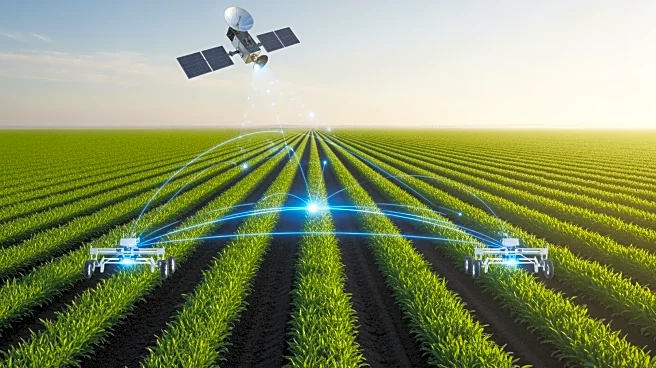
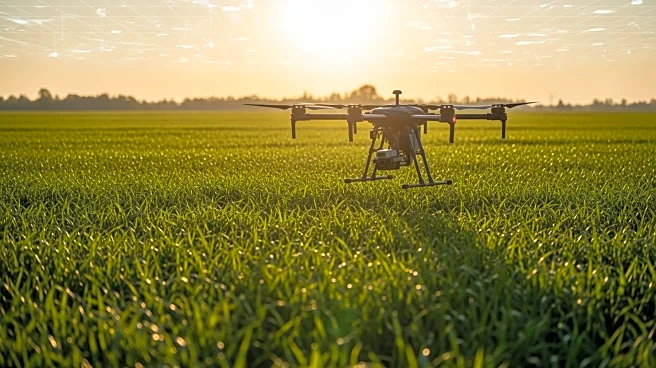
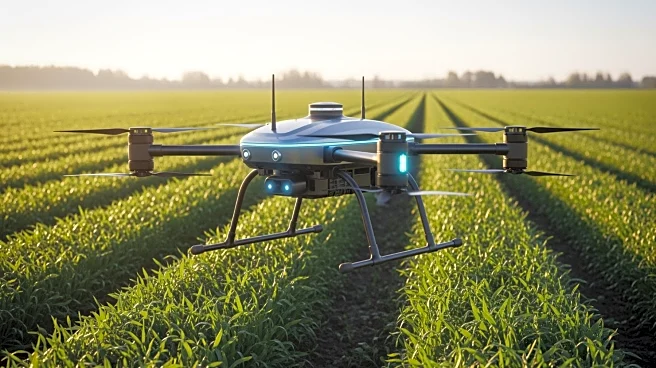
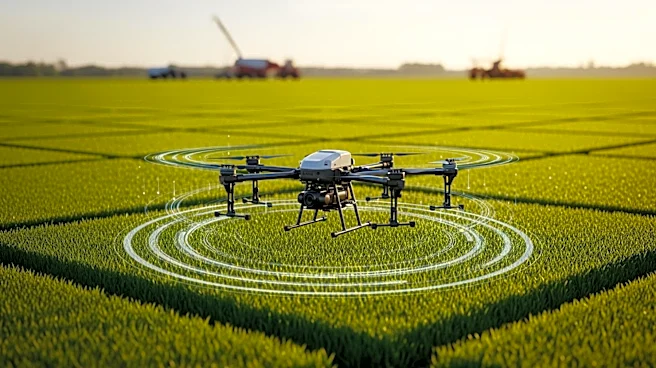
technologies such as the Internet of Things (IoT), Artificial Intelligence (AI), and machine learning, which enhance operational efficiency and crop yields. Government incentives and subsidies are also encouraging the adoption of precision farming techniques, supporting sustainable agricultural practices. However, challenges such as high initial costs, limited access to technology for small-scale farmers, and concerns over data privacy and cybersecurity remain. The integration of drones and satellite imagery for real-time monitoring is expected to create new growth opportunities.
Why It's Important?
The expansion of the precision farming market is crucial for the agricultural sector as it addresses the need for increased food production to meet global demand. By improving resource optimization and productivity, precision farming can significantly reduce labor costs and environmental impact. The market's growth also reflects a broader trend towards sustainable agricultural practices, which are essential for long-term food security. As the sector evolves, it offers opportunities for technology providers, agricultural machinery manufacturers, and research institutions to collaborate and innovate, potentially leading to more efficient and cost-effective farming solutions.
What's Next?
The precision farming market is expected to continue evolving with the integration of new technologies and strategic collaborations among industry stakeholders. The development of cost-effective solutions for smallholder farmers in developing regions is likely to enhance market penetration. Additionally, the North American market is poised for significant growth due to early technology adoption and supportive government initiatives. As the market expands, companies will need to address challenges such as infrastructure limitations and the need for skilled labor to fully capitalize on the opportunities presented by precision farming technologies.