





What's Happening?
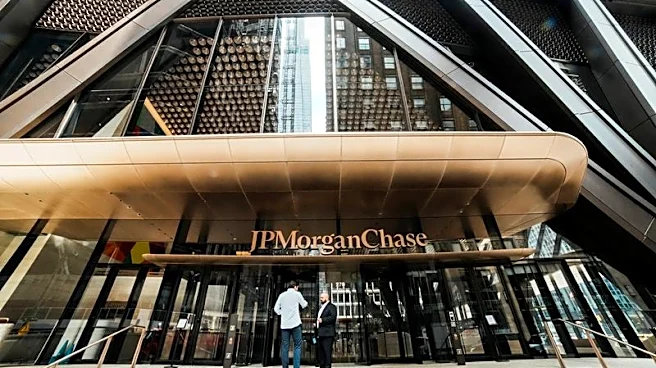
JPMorgan Chase, along with other major U.S. banks, has reported strong profits for the first quarter of 2026, driven by a resilient economy and increased activity in investment banking. JPMorgan's profits rose by 13% to $16.49 billion, with a significant
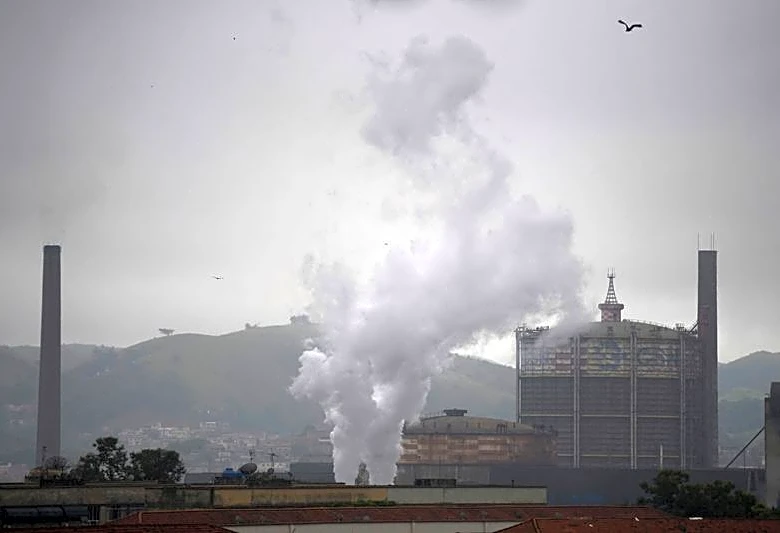
30% increase in investment banking fees. However, the bank has issued a cautious outlook for the remainder of the year, citing high oil prices and geopolitical uncertainties as potential threats to economic growth. CEO Jamie Dimon highlighted the complex risks posed by global tensions and energy prices, leading the bank to slightly lower its full-year profit forecast. Despite the robust performance, the bank is preparing for a range of economic scenarios.
Why It's Important?
The strong performance of JPMorgan and other banks underscores the resilience of the U.S. economy, even as it faces potential headwinds from rising energy costs and geopolitical tensions. The increase in investment banking fees reflects a volatile market environment that has been beneficial for trading desks. However, the warning about high oil prices impacting consumer spending and economic growth is significant, as it could lead to reduced consumer confidence and spending power. This situation could affect various sectors, including retail and manufacturing, and may influence monetary policy decisions if inflationary pressures persist.
What's Next?
As the year progresses, banks and investors will closely monitor the impact of rising energy prices on consumer behavior and overall economic growth. JPMorgan and other financial institutions may adjust their strategies to mitigate risks associated with geopolitical tensions and fluctuating energy markets. Additionally, the performance of private credit loans, which have shown signs of deterioration, will be a key area of focus. The banking sector's exposure to these loans could pose challenges if economic conditions worsen, prompting further adjustments in lending practices and risk management strategies.