





What's Happening?
The American Iron and Steel Institute (AISI) reported that U.S. steel shipments reached 7.66 million net tons in April 2026, marking a 1.1% increase from the previous year. Despite a monthly decline from March, year-to-date shipments have surpassed those
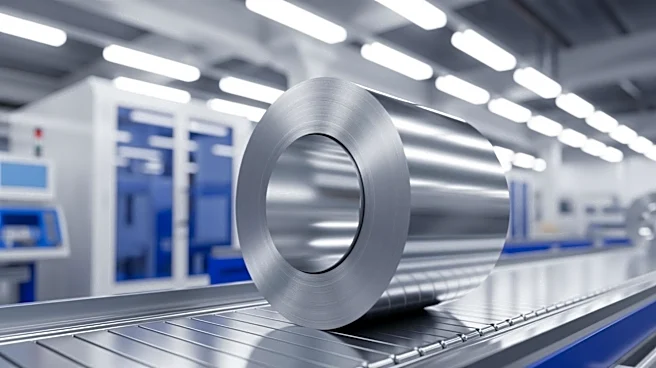
of 2025, driven by demand in manufacturing, construction, automotive, and infrastructure sectors. Corrosion-resistant sheet and strip products led the gains, while cold-rolled sheet and strip saw a decline, indicating varied performance across product categories.
Why It's Important?
The increase in steel shipments reflects the ongoing demand in key sectors, highlighting the steel industry's role in supporting economic activities. The performance of different steel products can influence pricing, supply chain dynamics, and investment decisions within the industry. Understanding these trends is crucial for stakeholders involved in production, distribution, and consumption of steel products.
What's Next?
The steel industry may continue to experience fluctuations in demand and product performance, influenced by economic conditions and sector-specific developments. Stakeholders will likely focus on optimizing production efficiency and adapting to market changes to maintain competitiveness. Monitoring regulatory changes and trade policies will also be important for navigating future challenges.
Beyond the Headlines
The steel industry's performance can have broader implications for economic growth and industrial development. As a key input for various sectors, changes in steel production and demand can affect employment, investment, and technological advancements. The industry's response to environmental and sustainability challenges may also shape its long-term trajectory.