



What's Happening?
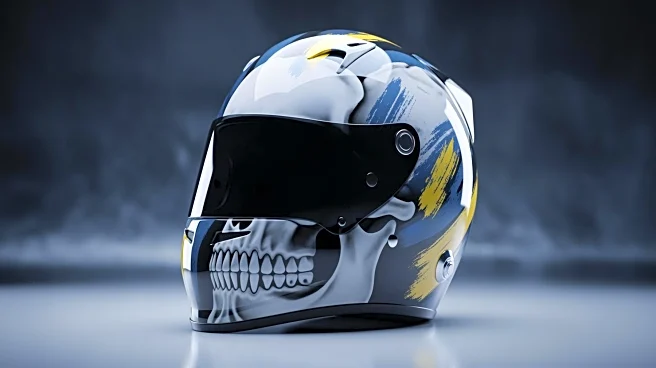
The International Olympic Committee (IOC) has banned Ukrainian skeleton racer Vladyslav Heraskevych from wearing a helmet that honors athletes killed in the ongoing war with Russia. Heraskevych's 'helmet of remembrance' features images of Ukrainian athletes who have died during the conflict. The IOC stated that the helmet violates the Olympic Charter's guidelines, which prohibit political demonstrations. As a compromise, Heraskevych will be allowed to wear a black armband. The decision has sparked accusations of betrayal from Heraskevych, who insists on honoring his fallen compatriots.
Why It's Important?
The IOC's decision underscores the ongoing tension between sports and political expression, particularly in the context of international conflicts. The ban highlights
the challenges athletes face when trying to use their platform to raise awareness about political issues. This incident may influence future discussions on the role of political expression in sports and the balance between maintaining neutrality and allowing athletes to voice their concerns. The decision also reflects the broader geopolitical tensions surrounding the Russia-Ukraine conflict and its impact on international sports.
What's Next?
Heraskevych plans to continue wearing the helmet during training, despite the ban, and hopes for a fair resolution from the IOC. The situation may prompt further dialogue between the IOC and national Olympic committees about the rules governing political expression. The outcome could set a precedent for how similar cases are handled in the future, potentially leading to changes in the Olympic Charter or its interpretation. The incident may also influence public opinion and athlete activism regarding political issues in sports.