








What's Happening?
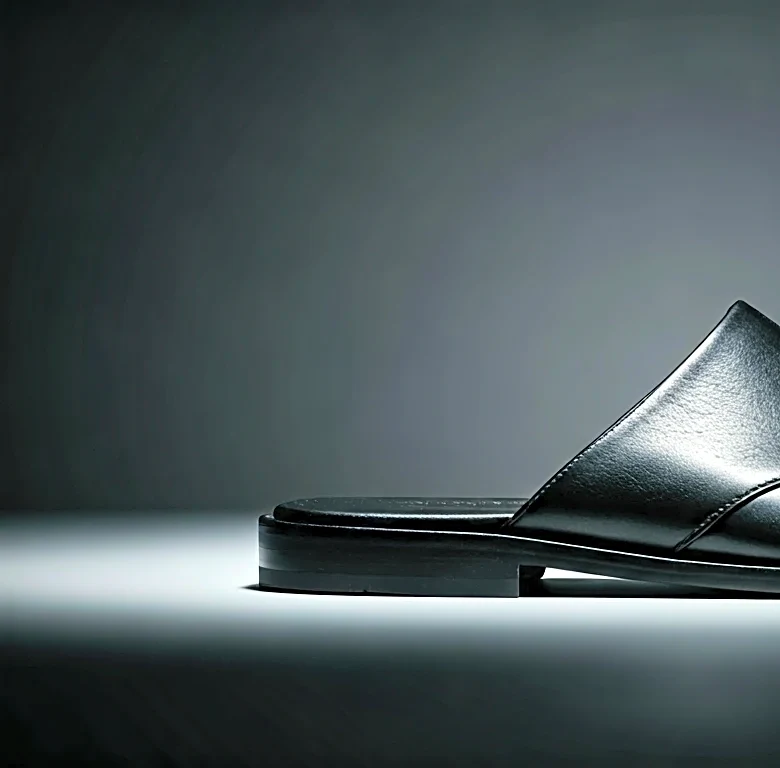
Bottega Veneta, a brand under the luxury group Kering, has launched a new collection of small leather goods using a mycelium-based material called Ephea, developed by the Italian biomaterials startup Sqim. This marks the first time Bottega Veneta has incorporated
this alternative material into its products, specifically for its fall 2026 men's collection. The initiative is part of Kering's broader strategy to integrate sustainable materials into its brands, following its participation in Sqim's Series A funding round in 2024. The move aligns with Kering's sustainability goals, which include reducing the intensity of bovine leather products and increasing the use of alternative materials in its offerings.
Why It's Important?
The introduction of mycelium-based materials in luxury fashion represents a significant shift towards sustainability in an industry traditionally reliant on animal-derived products. By adopting materials like Ephea, Bottega Veneta and Kering are setting a precedent for other luxury brands to follow, potentially reducing the environmental impact of fashion production. This move could influence consumer expectations and demand for sustainable products, encouraging more brands to invest in material innovation. The initiative also supports Kering's long-term sustainability targets, which aim to reduce leather intensity and increase the use of alternative materials, thereby promoting a more eco-friendly approach to luxury fashion.
What's Next?
Kering plans to continue its focus on sustainability and innovation, with goals to have 40% of its ready-to-wear offerings made from alternative materials by 2035. The company also aims to generate 20% of its revenue from innovation, split between material and process innovation, and new services and business models. As Bottega Veneta and other Kering brands adopt more sustainable practices, the luxury fashion industry may see a broader shift towards eco-design and material innovation. This could lead to increased collaboration with biomaterials startups and further investment in sustainable technologies.
Beyond the Headlines
The use of mycelium-based materials in luxury fashion not only addresses environmental concerns but also opens new creative possibilities for designers. By exploring alternative materials, brands can redefine luxury beyond aesthetics, focusing on the ethical and sustainable aspects of production. This shift could lead to a reevaluation of what constitutes luxury, emphasizing the importance of responsible sourcing and manufacturing processes. As consumers become more environmentally conscious, the demand for sustainable luxury products is likely to grow, challenging brands to innovate and adapt to changing market dynamics.