





What's Happening?
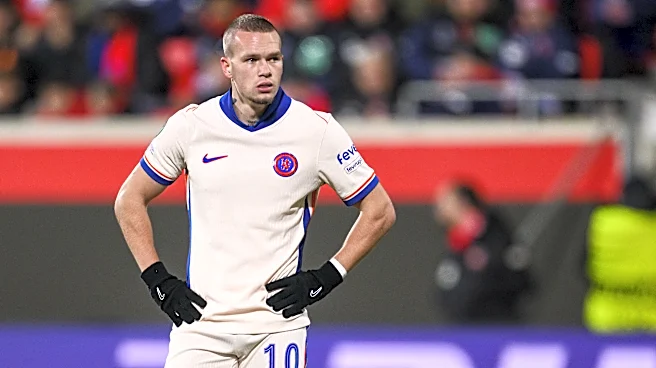
Chelsea footballer Mykhailo Mudryk has been secretly banned by the Football Association (FA) due to a doping violation. The ban, which began 16 months ago, was kept confidential, with only a few individuals at Chelsea and those close to Mudryk being informed.
The FA's anti-doping program, in collaboration with UK Anti-Doping (Ukad), maintains strict confidentiality throughout the process. Mudryk, who remains under contract with Chelsea until 2031, is currently training independently and is unable to play for either Chelsea or the Ukrainian national team. The Court of Arbitration for Sport (Cas) is set to review his appeal.
Why It's Important?
The secrecy surrounding Mudryk's ban raises questions about transparency in sports, particularly in handling doping cases. The FA's approach contrasts with other sports where provisional bans are publicly announced. This case highlights the balance between athlete privacy and public interest in maintaining the integrity of sports. For Chelsea, the situation affects team dynamics and player availability, potentially impacting their performance and strategic planning. The outcome of Mudryk's appeal could set a precedent for how similar cases are managed in the future.
What's Next?
The Court of Arbitration for Sport (Cas) will review Mudryk's appeal, which could result in the ban being upheld, overturned, or modified. The decision will determine Mudryk's future in professional football and his ability to return to play. Chelsea and Mudryk's representatives will likely prepare for various outcomes, including potential legal and public relations strategies. The case may prompt discussions within the FA and other sports organizations about the transparency and handling of doping violations.