







What's Happening?
Colorado's state treasurer, Dave Young, has highlighted the ongoing economic challenges faced by businesses due to high tariffs. In 2025, Colorado businesses paid $1.1 billion in tariffs, the highest in over a century. These tariffs are affecting various
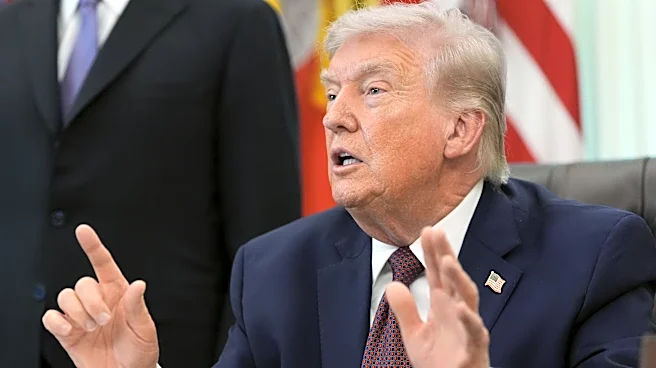
sectors, including agriculture, construction, energy, and aerospace. Young emphasized the unpredictability and financial strain caused by these tariffs, describing the situation as 'tariff whiplash.' Following a Supreme Court ruling that struck down parts of President Trump's global import taxes, many businesses are seeking refunds, while Trump has introduced new tariffs to counteract the ruling.
Why It's Important?
The tariff situation in Colorado is a microcosm of broader economic challenges faced by U.S. businesses under fluctuating trade policies. The financial burden on small businesses, in particular, threatens their viability and growth prospects. This situation underscores the need for stable and predictable trade policies to foster economic growth and stability. The legal battles for tariff refunds also highlight the complexities and potential financial implications of international trade regulations on local economies.
What's Next?
Businesses in Colorado are likely to continue pursuing legal avenues to recover tariff costs, which could set precedents for similar cases nationwide. The ongoing adjustments to tariff policies by the Trump administration may lead to further economic uncertainty. Stakeholders, including policymakers and business leaders, will need to navigate these challenges to mitigate economic disruptions and support business resilience.