

What's Happening?
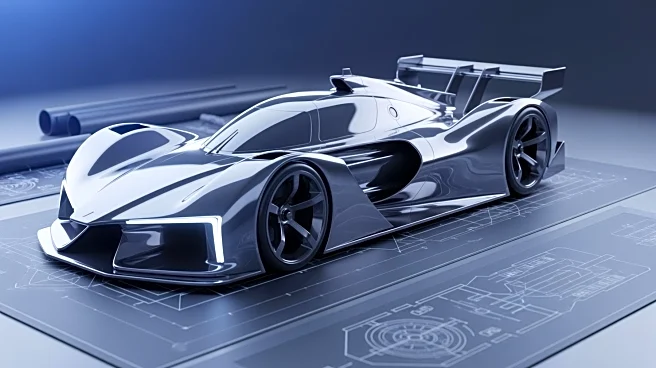
Formula 1 is undergoing significant changes for the 2026 season, with new regulations affecting power units, chassis, tyres, and fuel. The cars are now designed to be smaller and more environmentally friendly, featuring engines that balance electric and internal
combustion power, and utilize fully sustainable fuels. A notable change is the replacement of the drag reduction system (DRS) with an 'overtake mode', which provides drivers with a burst of extra electric energy when they are within one second of the car ahead. This change is part of a broader shift towards active aerodynamics, allowing both rear and front wings to adjust for reduced drag and increased downforce. During pre-season testing in Bahrain, Ferrari's innovative 'upside down' rear wing design attracted attention. Reactions to the new regulations have been mixed, with drivers like Max Verstappen and Lewis Hamilton expressing concerns about the complexity and energy management demands, though Hamilton noted the cars are more enjoyable to drive.
Why It's Important?
The 2026 changes in Formula 1 represent a significant shift towards sustainability and technological innovation in motorsport. By integrating more electric power and sustainable fuels, F1 is aligning with global trends towards reducing carbon emissions and promoting environmental responsibility. These changes could influence car manufacturers and the automotive industry at large, as F1 often serves as a testing ground for new technologies. The new rules also introduce strategic complexities, potentially altering race dynamics and team strategies. Teams and drivers will need to adapt to the increased focus on energy management, which could impact race outcomes and the competitive landscape of the sport.
What's Next?
As the 2026 season progresses, teams will continue to refine their strategies and car designs to optimize performance under the new regulations. The effectiveness of the 'overtake mode' and active aerodynamics will be closely monitored, potentially leading to further adjustments in future seasons. Stakeholders, including teams, sponsors, and fans, will be watching to see how these changes affect the sport's appeal and competitiveness. The success of these innovations could pave the way for further advancements in sustainable racing technologies.