



What's Happening?
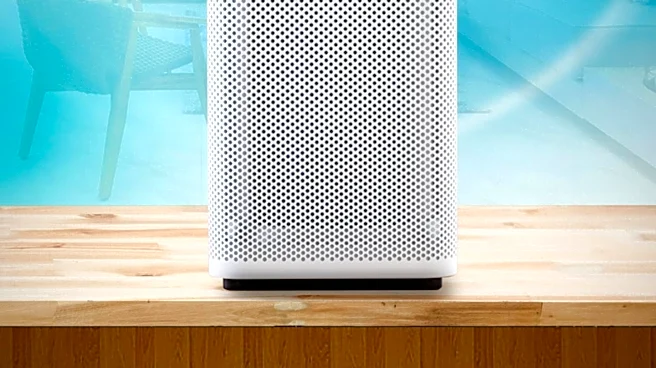
A recent evaluation of air purifiers has been conducted to determine their effectiveness in combating pet dander in homes. The Dreame FP10, a HEPA-equipped air purifier, was tested for its ability to reduce pet hair and dander. This model features a self-cleaning
system that includes a rotating filter cleaning attachment, which helps maintain the filter by collecting excess hair and dust. The FP10 claims a 99.5% hair collection rate and a 99.9% odor removal rate. The device also offers multiple modes, including AI/auto, pet, sleep, and custom, and can be controlled via an app. The app provides real-time data on air quality, including particulate matter and volatile organic compounds. Despite its effectiveness, the FP10 is noted for its high noise level at maximum speed, comparable to a dishwasher. The Dreame AP10, another model tested, showed slower particle removal compared to top competitors but still performed adequately.
Why It's Important?
The effectiveness of air purifiers in reducing pet dander is significant for pet owners who struggle with allergies and maintaining clean air in their homes. As pet ownership continues to rise, so does the demand for solutions to manage pet-related allergens. The Dreame FP10 offers a more affordable option compared to other high-end models, making it accessible to a broader range of consumers. Its ability to provide real-time air quality data and adjust settings automatically can enhance indoor air quality management. This development is particularly relevant as more people seek to improve their home environments, especially in urban areas where air quality can be compromised.
What's Next?
As the market for air purifiers grows, manufacturers may continue to innovate, focusing on improving efficiency and reducing noise levels. Consumer feedback on features like the pet weighing platform may lead to design adjustments in future models. Additionally, as awareness of indoor air quality increases, more households may invest in air purifiers, potentially driving down costs through increased competition. Regulatory bodies might also establish more stringent standards for air purifier performance, ensuring that consumers receive effective products.