

What's Happening?
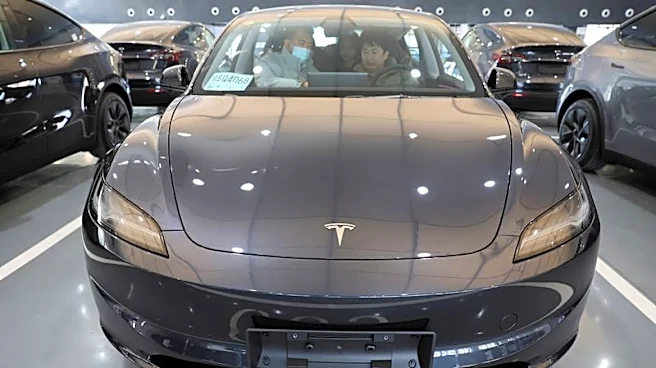
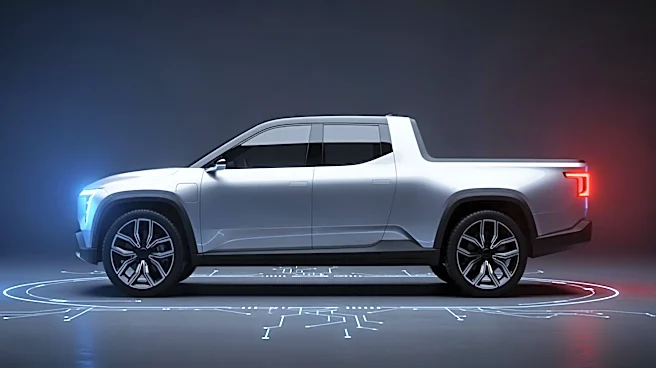
The 2026 Tesla Model Y has become the first vehicle to pass the National Highway Traffic Safety Administration's (NHTSA) new advanced driver assistance system tests. These tests, recently added to the NHTSA's New Car Assessment Program, evaluate features
such as pedestrian automatic emergency braking, lane keeping assistance, blind spot warning, and blind spot intervention. The Model Y vehicles that passed were manufactured on or after November 12, 2025. This achievement highlights Tesla's advancements in driver assistance technology, despite ongoing NHTSA investigations into its Full Self-Driving system. The new tests were mandated by Congress and are part of efforts to enhance vehicle safety standards.
Why It's Important?
Tesla's success in passing these new tests underscores its leadership in developing advanced driver assistance systems, which are crucial for enhancing road safety and reducing traffic accidents. This milestone could boost consumer confidence in Tesla's technology and influence purchasing decisions, as safety ratings are a significant factor for car buyers. Additionally, it positions Tesla favorably in the competitive electric vehicle market, where technological innovation is a key differentiator. The achievement also reflects broader industry trends towards integrating more sophisticated safety features in vehicles, driven by regulatory requirements and consumer demand for safer driving experiences.
What's Next?
As Tesla continues to refine its driver assistance technologies, the company may face increased scrutiny from regulators, particularly regarding its Full Self-Driving system. The NHTSA's ongoing investigations could lead to further regulatory actions or updates to safety standards. For Tesla, maintaining its technological edge will be crucial as other automakers strive to meet or exceed these new safety benchmarks. The industry can expect continued advancements in driver assistance systems, with potential implications for insurance rates, liability considerations, and the future of autonomous driving.