

What's Happening?
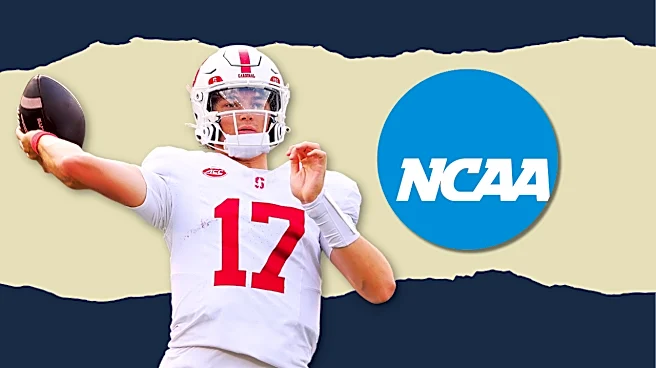
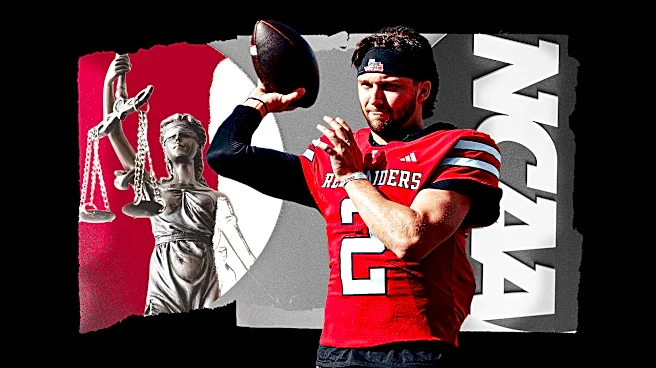
USC freshman linebacker Talanoa Ili has become a lead plaintiff in a class-action lawsuit challenging the current Name, Image, and Likeness (NIL) system. The lawsuit, filed alongside Stanford quarterback Charlie Mirer, accuses the NCAA, Power Four conferences,
and the College Sports Commission of creating policies that suppress NIL compensation below competitive levels. The plaintiffs argue that these policies violate California state laws and federal antitrust statutes. The lawsuit seeks monetary damages and an injunction to alter the enforcement structure for NIL deals. The current system, managed by NIL Go, has been criticized for being overly restrictive, with over $125 million in NIL compensation either rejected or under review.
Why It's Important?
This lawsuit could significantly impact college athletics by challenging the current NIL system, which has been a contentious issue since its inception. If successful, the lawsuit could lead to increased NIL compensation for athletes, altering the financial landscape of college sports. This case highlights ongoing tensions between athletes seeking fair compensation and institutions aiming to regulate NIL deals. The outcome could influence future legislation and policies, potentially affecting how universities and athletes negotiate NIL agreements. Stakeholders such as universities, athletes, and legal experts are closely watching the case, as it could set a precedent for future NIL-related disputes.
What's Next?
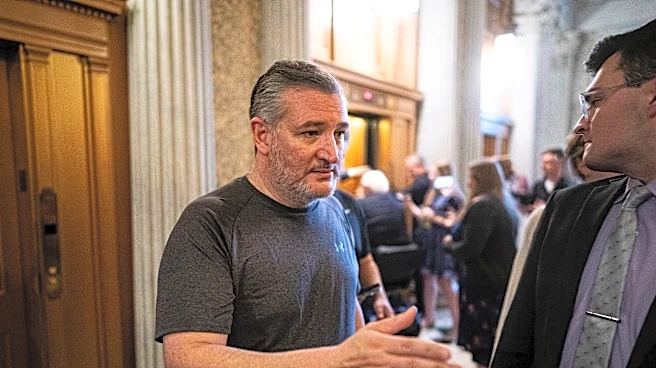
The lawsuit's progression will be closely monitored, with potential implications for the NCAA and college sports governance. A hearing is scheduled where plaintiff attorney Jeffrey Kessler will argue against the current criteria for NIL deals. Additionally, U.S. Senators Ted Cruz and Maria Cantwell are advocating for the Protect College Sports Act, which aims to codify some of the College Sports Commission's policies into federal law. The outcome of these legal and legislative efforts could reshape the NIL landscape, affecting how athletes are compensated and how universities manage NIL agreements.