






What's Happening?
Gold prices are under pressure as market focus remains on oil prices, inflation trends, and central bank activities. Analysts, including Lukman Otunuga and Philip Streible, highlight the impact of geopolitical tensions in the Middle East and interest
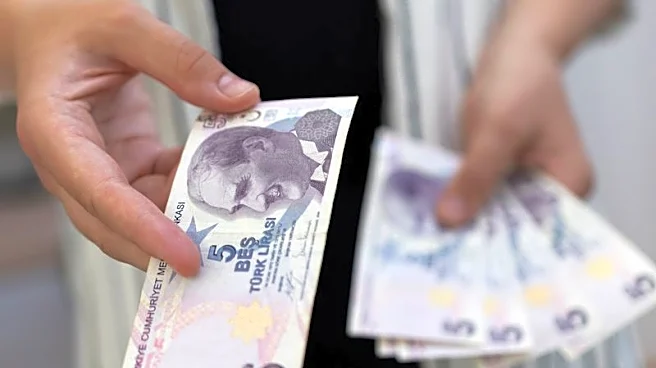
rate expectations on the precious metals market. A shift from dollar reserves to gold is noted as an ongoing trend, with significant purchases by China and Turkey. The Bank of France's recent gold transaction also underscores the dynamic nature of the market. Despite these pressures, some forecasts suggest gold could become a primary alternative to the U.S. dollar, with prices potentially rising above $6,000 per ounce.
Why It's Important?
The current dynamics in the gold market reflect broader economic and geopolitical factors that influence investor behavior and market stability. As central banks adjust their policies in response to inflation and economic conditions, gold remains a critical asset for hedging against currency fluctuations and geopolitical risks. The ongoing shift from dollar reserves to gold by countries like China and Turkey indicates a strategic move to diversify reserves and mitigate risks associated with the U.S. dollar. This trend could have significant implications for global financial markets and the role of gold as a safe-haven asset.
What's Next?
Market participants will be closely watching central bank policies and geopolitical developments that could further impact gold prices. The potential for gold to become a primary alternative to the U.S. dollar suggests a shift in global financial strategies, with implications for currency markets and international trade. As inflation and interest rate expectations evolve, the demand for gold as a hedge against economic uncertainty is likely to remain strong. Investors and analysts will be monitoring these trends to assess the long-term outlook for gold and its role in global financial markets.