
What's Happening?
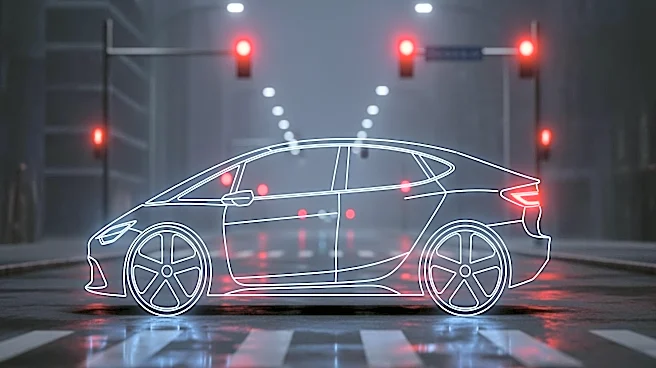
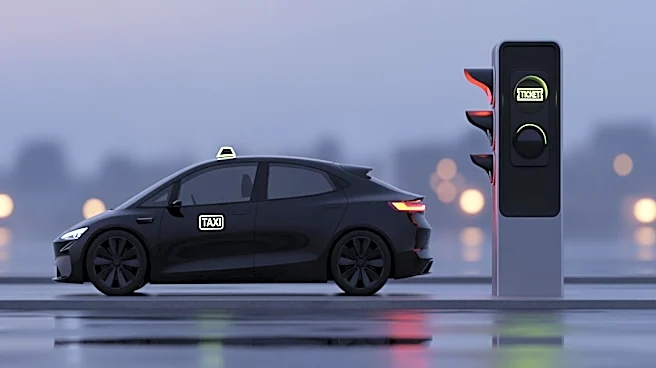
California has passed new legislation allowing traffic officers to issue tickets to autonomous vehicles for moving violations, addressing a long-standing regulatory gap. Previously, driverless cars could
not be ticketed for such violations due to the absence of a human driver. The new rules, set to take effect later in 2026, aim to hold autonomous vehicle operators accountable for traffic infractions. This move follows reports of numerous parking and traffic violations by Waymo's driverless taxis in San Francisco, which have accumulated significant fines.
Why It's Important?
The legislation marks a significant step in integrating autonomous vehicles into existing traffic law frameworks. By holding operators accountable, California aims to ensure that driverless cars adhere to the same standards as human drivers, potentially reducing traffic violations and improving road safety. This regulatory change could influence other states to adopt similar measures, impacting the broader autonomous vehicle industry. The decision reflects ongoing efforts to balance technological innovation with public safety and regulatory compliance.
What's Next?
As the new rules are implemented, there may be increased scrutiny on how effectively they are enforced and their impact on traffic safety. Autonomous vehicle companies will need to adapt to these changes, potentially leading to technological adjustments to comply with traffic laws. The legislation could also prompt further discussions on the role of autonomous vehicles in urban environments and their integration into public transportation systems.