


What's Happening?
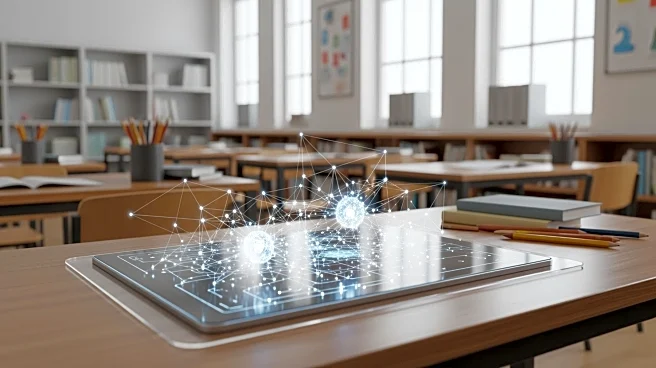
Higher education institutions are increasingly integrating artificial intelligence (AI) and advanced technologies into their educational frameworks. At the University of North Carolina Greensboro, students in the Spartan Cyber Academy use virtual reality
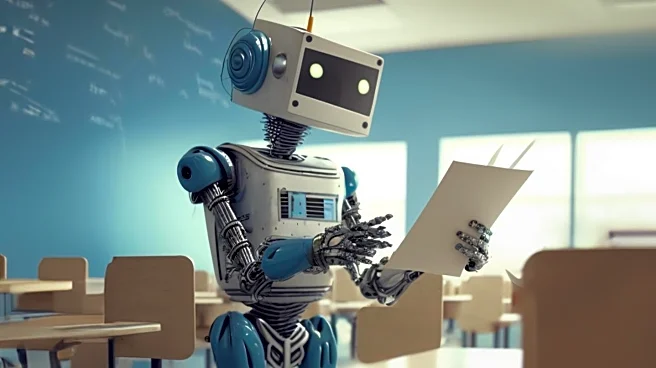
simulations and AI mentors to enhance learning experiences. These technologies provide consistent feedback and support, allowing students to develop skills more effectively. AI teaching assistants are also being used to offer 24/7 support, answering questions and providing feedback, which benefits both students and instructors by freeing up time for more complex tasks.
Why It's Important?
The integration of AI and technology in education represents a significant shift in how learning is delivered and experienced. These tools enhance the educational process by providing personalized support and enabling more interactive and engaging learning environments. For instructors, AI tools reduce the administrative burden, allowing them to focus on teaching and mentoring. This transformation is crucial for preparing students for a technology-driven world and ensuring that educational institutions remain competitive and relevant.
What's Next?
As technology continues to evolve, educational institutions will likely expand their use of AI and other advanced tools. This may include further development of virtual reality applications, AI-driven analytics for personalized learning, and enhanced digital platforms for collaboration. Institutions will need to address challenges related to data privacy, technology integration, and faculty training to fully realize the benefits of these innovations. The ongoing evolution of educational technology will play a key role in shaping the future of higher education.