







What's Happening?
The ongoing conflict with Iran has significantly impacted the U.S. financial markets, leading to increased costs for mortgages, auto loans, and credit card rates. Since the conflict began, mortgage rates have risen for five consecutive weeks, although
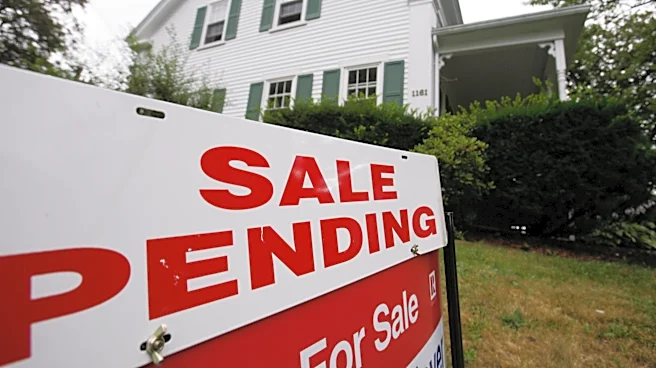
they recently dipped to 6.37% for a 30-year fixed mortgage. This increase is linked to the rise in the 10-year U.S. Treasury yield, which has climbed due to investor concerns over oil prices, inflation, and potential government spending to support the war effort. The 10-year yield, a critical economic indicator, influences various borrowing costs, including mortgages. As a result, Americans are facing higher expenses for home loans, with a typical homebuyer now paying significantly more over the life of a loan compared to rates before the conflict. Auto loan rates, which track short-term bond yields, have also been affected, maintaining high levels that make financing new vehicles more expensive. Credit card rates, already elevated, are expected to remain high as the Federal Reserve is anticipated to hold interest rates steady.
Why It's Important?
The financial repercussions of the Iran conflict are broad, affecting everyday Americans by increasing the cost of borrowing. Higher mortgage rates mean that homebuyers will face increased financial burdens, potentially slowing down the housing market. The elevated costs of auto loans and credit card rates further strain consumer finances, especially as Americans deal with rising gas prices and overall inflation. These financial pressures could lead to reduced consumer spending, which is a critical driver of the U.S. economy. Businesses may also face higher borrowing costs, impacting their ability to invest and expand. The prolonged nature of the conflict could exacerbate these economic challenges, leading to sustained inflationary pressures and potentially influencing future Federal Reserve monetary policy decisions.
What's Next?
As the conflict with Iran continues, financial markets will likely remain volatile, with borrowing costs potentially staying elevated. The Federal Reserve's response to these economic conditions will be closely watched, as any changes in interest rates could further impact consumer and business borrowing costs. Investors and policymakers will need to monitor the situation closely, as prolonged conflict could lead to more significant economic disruptions. Additionally, the U.S. government may need to consider fiscal measures to mitigate the economic impact on American consumers and businesses.