
What's Happening?
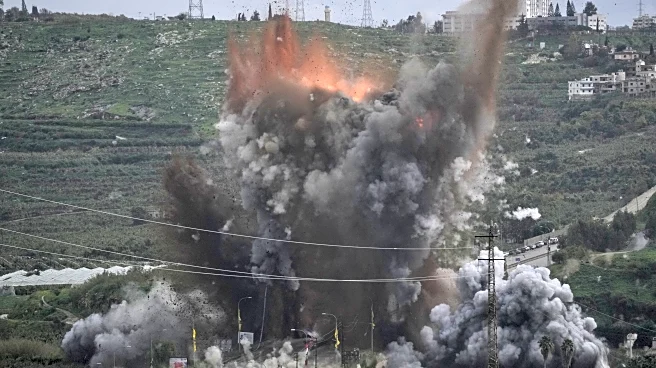
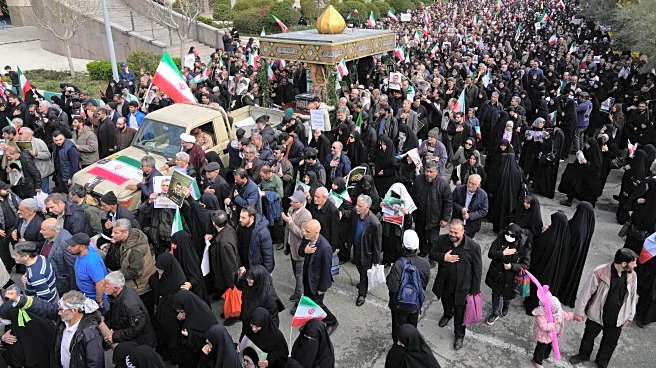
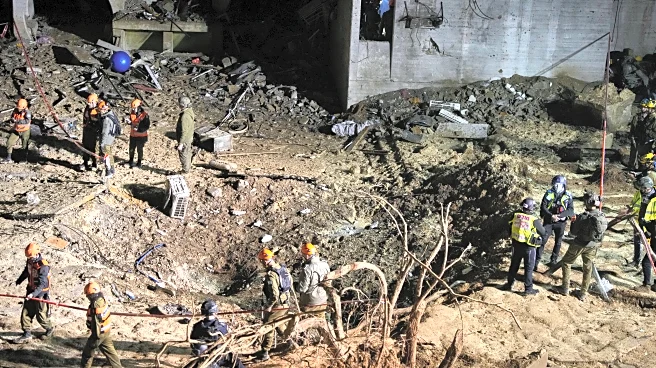
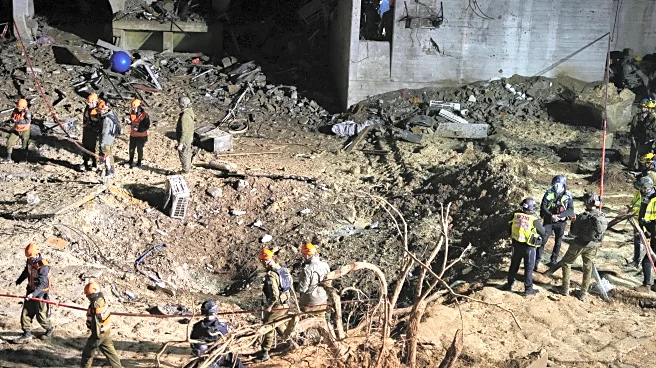
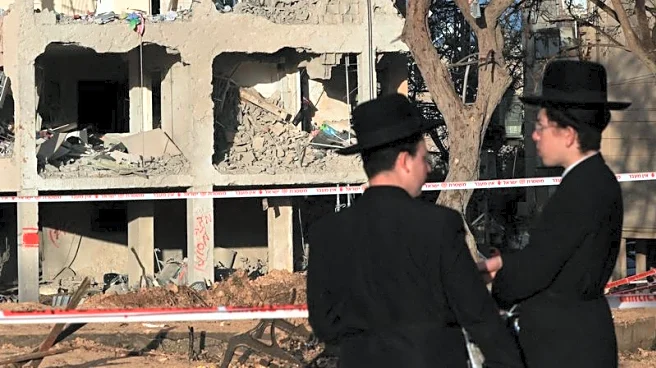
JPMorgan Chase CEO Jamie Dimon has expressed a cautious optimism regarding the long-term prospects for stability in the Middle East, despite the ongoing conflict involving the United States, Israel, and Iran. The conflict, which began on February 28,
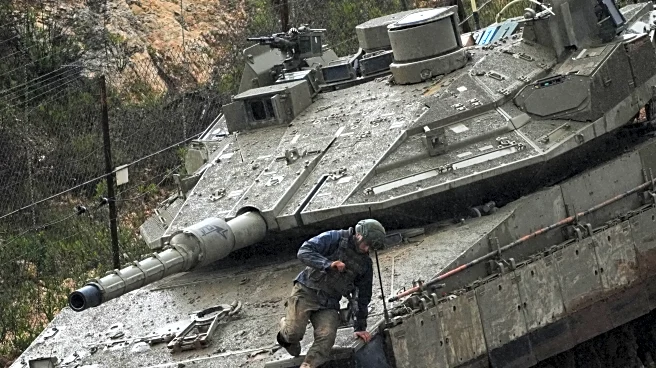
has significantly impacted global markets, causing oil prices to rise and fueling concerns about global inflation. Dimon highlighted a shift in regional mentality that could potentially lead to a durable resolution of long-standing tensions. He noted a desire among countries like Saudi Arabia, the UAE, Qatar, the US, and Israel for permanent peace in the region. However, he acknowledged the short-term risks and uncertainties associated with the conflict. Dimon also pointed out the United States' lack of industrial capacity to rapidly scale up arms production in wartime, a concern he raised after visiting the Pentagon.
Why It's Important?
The conflict in the Middle East has far-reaching implications for global economic stability and geopolitical dynamics. The rise in oil prices and inflation fears could have significant impacts on the global economy, affecting industries and consumers worldwide. Dimon's comments highlight the potential for a shift towards long-term peace in the region, which could stabilize markets and reduce geopolitical tensions. However, the conflict also exposes vulnerabilities in the U.S. defense industrial base, underscoring the need for policy reforms to enhance wartime production capabilities. The situation presents both challenges and opportunities for U.S. foreign policy and economic strategy, with potential impacts on military spending and international relations.
What's Next?
The ongoing conflict and its resolution will likely continue to be a focal point for international diplomacy and economic policy. Stakeholders, including political leaders and business executives, will need to navigate the complexities of the situation to mitigate risks and capitalize on opportunities for peace and stability. The U.S. may need to address its industrial capacity issues to ensure readiness for future conflicts. Additionally, efforts to foster dialogue and cooperation among Middle Eastern nations could play a crucial role in achieving lasting peace. The outcome of these efforts will have significant implications for regional and global stability.