







What's Happening?
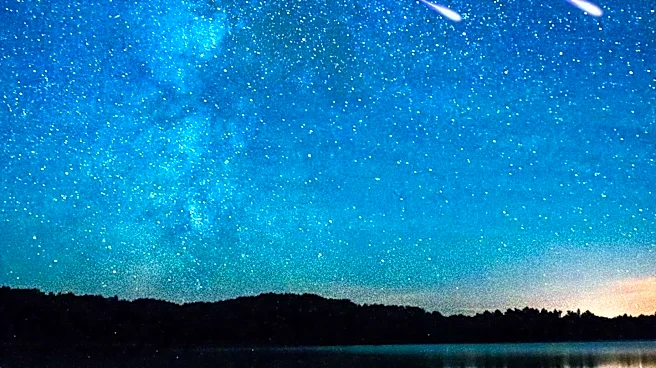
The annual Lyrid meteor shower is set to peak this month, offering skywatchers the opportunity to observe up to 20 meteors per hour. Known for its bright, fast meteors and occasional fireballs, the Lyrids are one of the oldest recorded meteor showers,
with sightings dating back over 2,700 years. The shower will be active from April 14 to April 30, with peak viewing expected on the nights of April 21 and 22. Observers are advised to find a dark location away from city lights and allow their eyes 30 minutes to adjust to the darkness for optimal viewing.
Why It's Important?
The Lyrid meteor shower provides a unique opportunity for public engagement with astronomy and the natural world. Events like these can inspire interest in science and space exploration, particularly among young people. Additionally, the meteor shower serves as a reminder of Earth's place in the solar system and the ongoing interactions with celestial bodies. Such events can also boost local tourism in areas with optimal viewing conditions, as enthusiasts travel to witness the spectacle.