




What's Happening?
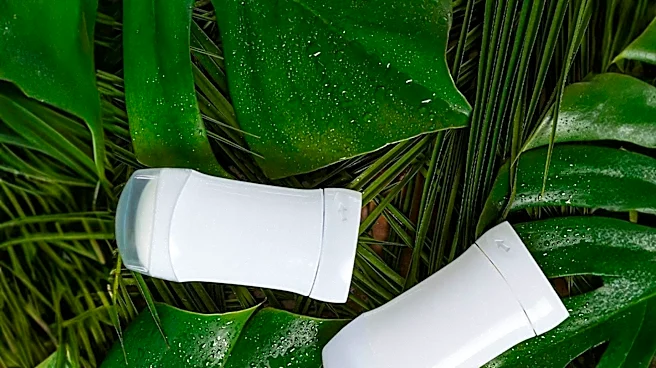
The popularity of heavy-duty deodorants has surged among individuals suffering from hyperhidrosis, a condition characterized by excessive sweating. Products like Certain Dri, which contain high levels of aluminum chloride, are gaining traction due to
their effectiveness in controlling sweat. These deodorants are particularly appealing to those who have not found success with natural deodorants, which often contain baking soda and can cause skin irritation. Users report significant reductions in sweat, even during intense physical activities, and appreciate the lack of residue left on clothing. However, the strong formulation of these products means they must be used with caution to avoid skin irritation, such as applying them only on dry skin and not immediately after shaving.
Why It's Important?
The rise in demand for heavy-duty deodorants highlights a growing awareness and need for effective solutions to manage hyperhidrosis. This condition affects a significant portion of the population, impacting daily life and self-esteem. The availability of potent deodorants provides a non-invasive option for individuals seeking relief from excessive sweating, potentially reducing the need for medical interventions. The market for these products is expanding, reflecting a broader trend towards personalized and effective personal care solutions. This shift also underscores the limitations of natural deodorants for certain users, prompting a reevaluation of ingredient safety and efficacy in personal care products.
What's Next?
As the demand for effective sweat management solutions continues to grow, it is likely that more companies will invest in developing advanced formulations that balance efficacy with skin sensitivity. This could lead to innovations in the personal care industry, with a focus on creating products that cater to specific needs such as hyperhidrosis. Additionally, there may be increased research into alternative ingredients that offer similar benefits without the potential for irritation. Consumer education on the proper use of these products will be crucial to maximize their benefits while minimizing adverse effects.