





What's Happening?
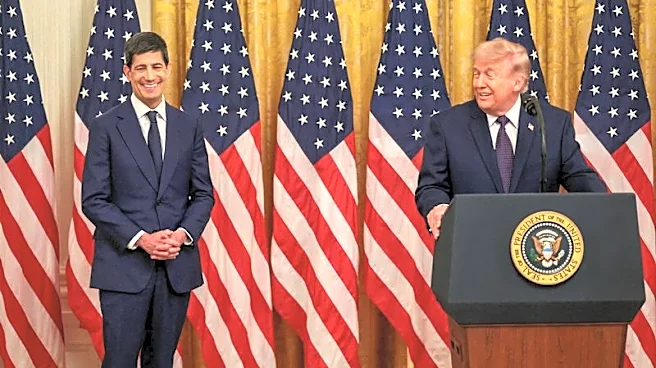
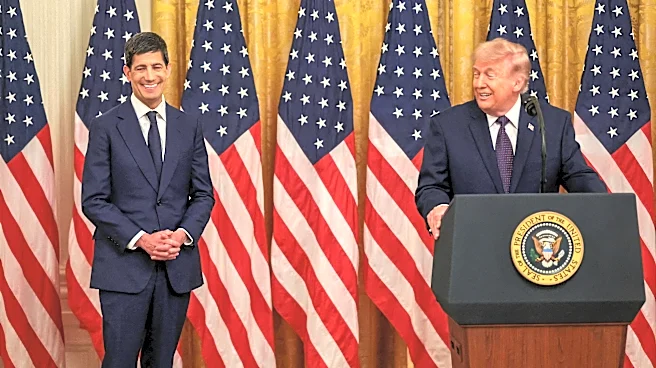
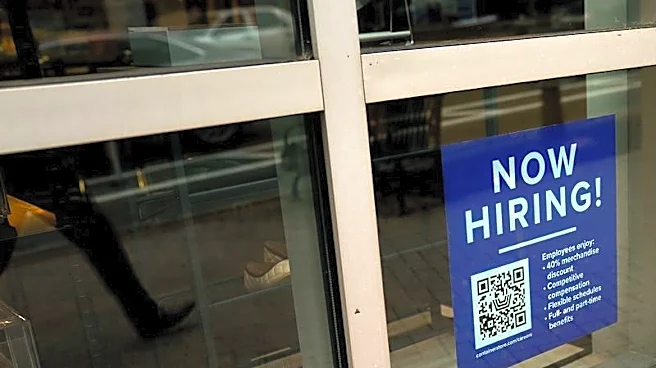
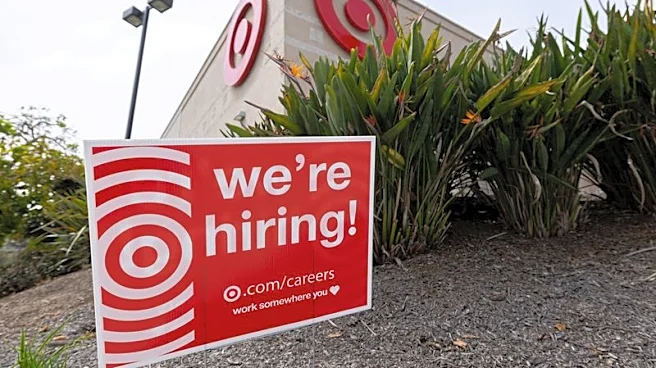
President Donald Trump stated there is 'no reason' to raise interest rates in light of a strong U.S. jobs report, during an interview on NBC News' 'Meet the Press.' The report indicated that employers added 172,000 jobs in May, surpassing expectations,
and previous months' figures were revised upward. Despite the positive job growth, financial markets reacted negatively, anticipating a potential interest rate increase by the Federal Reserve. Trump argued against this expectation, suggesting that economic success should not lead to higher interest rates. He emphasized that success could mitigate inflation similarly to higher rates. Trump also mentioned his intention to allow the new Federal Reserve Chair, Kevin Warsh, to operate independently, despite previous concerns about his influence over the central bank.
Why It's Important?
The discussion around interest rates is crucial as it impacts borrowing costs for consumers and businesses, influencing economic growth. President Trump's stance against raising rates highlights a tension between maintaining economic momentum and controlling inflation. If the Federal Reserve decides to increase rates, it could slow down economic activity by making loans more expensive. Conversely, keeping rates low might fuel further growth but risks exacerbating inflation. Trump's comments also underscore the ongoing debate about the Federal Reserve's independence, as political influence could affect its decision-making process. The outcome of this debate will have significant implications for U.S. economic policy and financial markets.
What's Next?
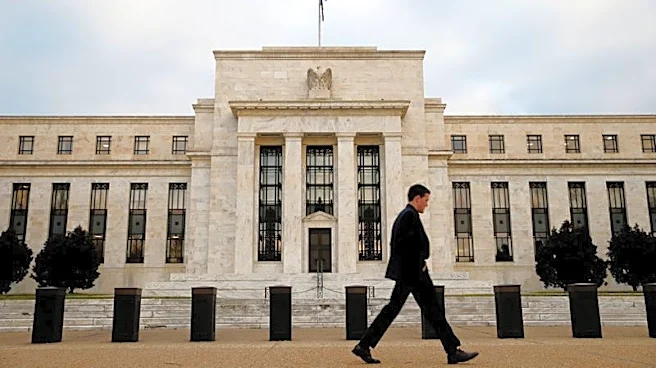
The Federal Reserve, under the leadership of Kevin Warsh, will need to decide whether to adjust interest rates in response to the current economic conditions. This decision will be closely watched by financial markets and policymakers. If the Fed opts to raise rates, it could signal a shift towards prioritizing inflation control over economic expansion. Alternatively, maintaining current rates might suggest confidence in the economy's ability to grow without overheating. Stakeholders, including businesses and consumers, will need to prepare for potential changes in borrowing costs and economic conditions. The Fed's decision will also likely influence future political discourse on economic policy.