








What's Happening?
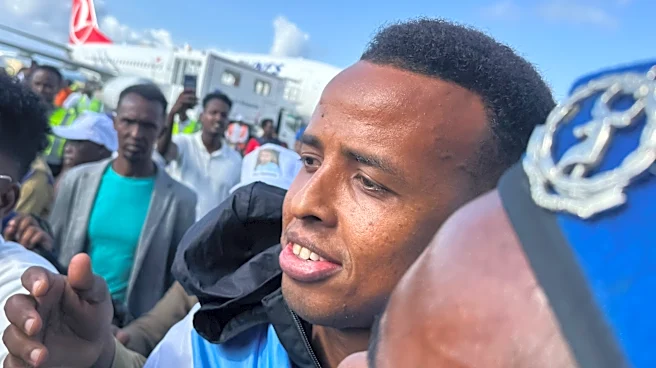
Somali referee Omar Artan was denied entry into the United States to officiate at the World Cup due to alleged associations with suspected members of terror organizations. Artan was interrogated for 11 hours by U.S. immigration authorities at Miami International
Airport before being informed that his diplomatic passport and single-entry U.S. visa were rejected. Despite these allegations, Artan maintains that he had the correct documentation and was unaware of any connections to the Somali militant group Al Shabab. Following his denial of entry, Artan was sent back to Turkey and later returned to Mogadishu with the assistance of FIFA officials. Although Artan will not participate in the World Cup, FIFA has committed to paying him his full tournament fee.
Why It's Important?
This incident highlights the complexities and challenges faced by international sports officials in navigating geopolitical tensions and security concerns. The decision to deny Artan entry underscores the stringent security measures employed by U.S. immigration authorities, particularly concerning individuals from regions associated with terrorism. For FIFA, the commitment to pay Artan despite his inability to officiate reflects the organization's support for its officials and adherence to contractual obligations. This situation may also impact future international sporting events, as it raises questions about the accessibility and inclusivity of global tournaments held in countries with strict entry requirements.
What's Next?
FIFA's decision to compensate Artan could set a precedent for how the organization handles similar situations in the future. It may also prompt discussions within FIFA and other international sports bodies about the need for clearer guidelines and support systems for officials facing entry denials. Additionally, this incident could lead to diplomatic discussions between Somalia and the United States regarding visa policies and the treatment of Somali nationals. The broader implications for international sports events in the U.S. may include increased scrutiny of visa processes and potential adjustments to ensure fair treatment of all participants.