


What's Happening?
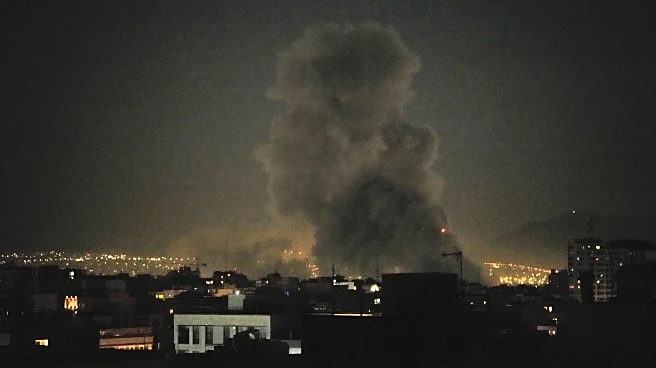
Several prominent Hollywood figures, including Rosie O'Donnell and Mark Ruffalo, have publicly criticized the recent military strikes conducted by the United States and Israel against Iran. The coordinated aerial assault, which took place on February
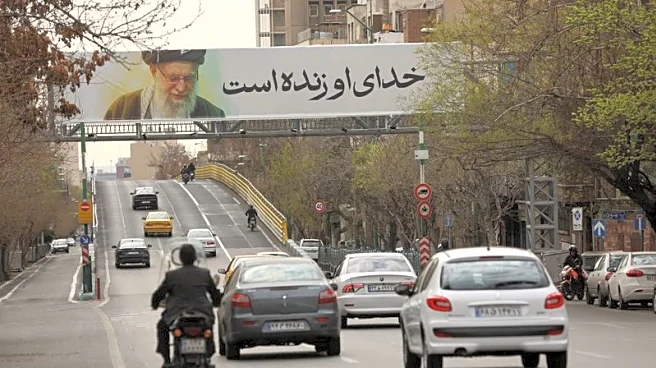
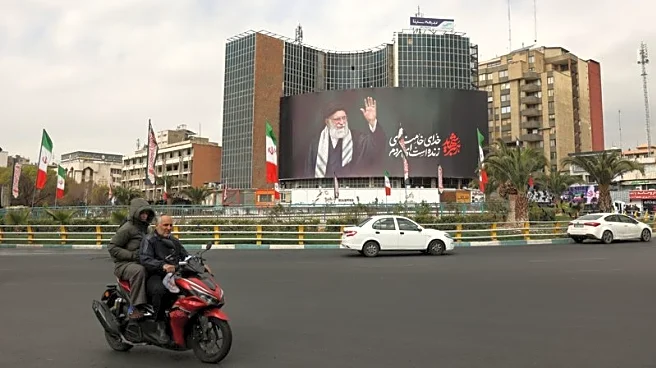
28, targeted key Iranian leadership and military sites. Iranian state media confirmed that Iran's Supreme Leader, Ali Khamenei, was killed in the strikes. This development has sparked significant backlash from the entertainment industry, with many questioning the political motivations behind the operation. Rosie O'Donnell accused President Trump of betraying his campaign promises to avoid foreign wars, describing the military action as reckless. Mark Ruffalo suggested that diplomatic options were ignored in favor of military escalation. Other figures, such as musician Jack White and actor John Cusack, criticized the administration's messaging and suggested the conflict could serve as a distraction from domestic issues.
Why It's Important?
The criticism from Hollywood reflects broader concerns about the potential for prolonged conflict in the Middle East and the implications of military actions on international relations. The entertainment industry's response highlights a significant public discourse on the use of military force and its justification. The strikes have raised questions about the constitutional authority of the President to engage in military actions without congressional approval. This situation underscores the tension between executive power and legislative oversight in matters of war. The backlash also points to a growing divide between public opinion and government actions, with many fearing the escalation could lead to further instability in the region.
What's Next?
As the situation remains fluid, further military responses from both sides are possible. The international community is closely monitoring the developments, with diplomatic efforts likely to intensify to prevent further escalation. The White House has defended the strikes as necessary to prevent an imminent threat, but ongoing criticism may pressure the administration to justify its actions more transparently. The entertainment industry's involvement in the discourse may influence public opinion and potentially impact future policy decisions. Stakeholders, including political leaders and civil society groups, are expected to continue debating the implications of the strikes and their alignment with broader foreign policy objectives.