
What's Happening?
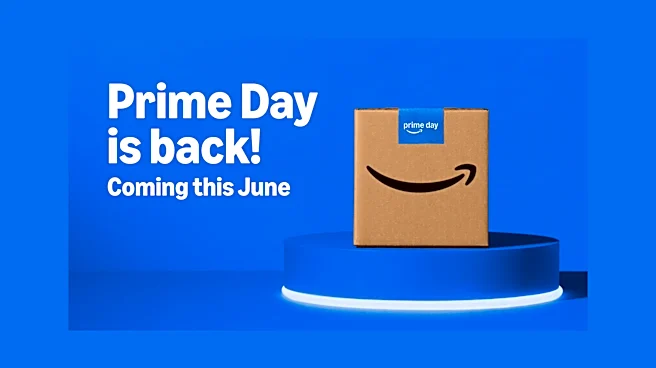
Amazon has announced that its annual Prime Day shopping event will occur from June 23-26, 2026, starting earlier than its usual July schedule. This year, the focus will be on offering discounts on daily
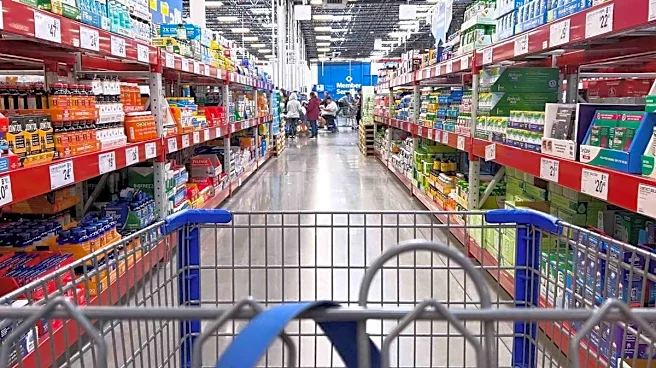
necessities such as groceries and household items, alongside leading brands and Amazon-exclusive products. The decision to emphasize essentials aligns with current economic conditions, as consumer sentiment in the U.S. has reached a record low. Last year's Prime Day saw U.S. retailers achieve $24.1 billion in online sales, indicating the event's significant impact on consumer spending.
Why It's Important?
The shift in focus to essentials during Prime Day reflects broader economic challenges facing U.S. consumers, who are increasingly prioritizing necessities over luxury goods. This strategy could help Amazon maintain strong sales figures despite economic uncertainty. The event's timing and product offerings may influence consumer behavior, potentially boosting sales for Amazon and other retailers. Additionally, the emphasis on essentials could provide relief to consumers facing financial pressures, offering them access to discounted goods that are crucial for daily living.
What's Next?
As Prime Day approaches, Amazon and other retailers are likely to ramp up marketing efforts to attract consumers. The event may prompt competitors to offer similar discounts, leading to a broader impact on retail sales. Analysts will be watching closely to see if the focus on essentials translates into increased consumer spending, which could signal a shift in retail strategies amid economic challenges. The outcome of Prime Day could also influence future retail events and promotions, as companies adapt to changing consumer priorities.