





What's Happening?
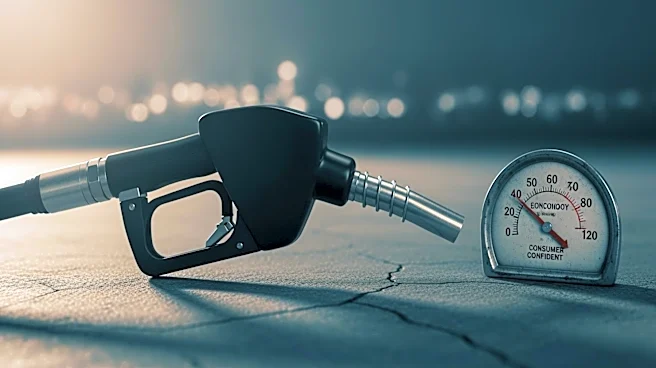
A report from the Federal Reserve Bank of New York highlights how rising gas prices are deepening the economic divide in the U.S., known as the K-shaped economy. While all income groups have seen an increase in gas spending, lower-income households are reducing
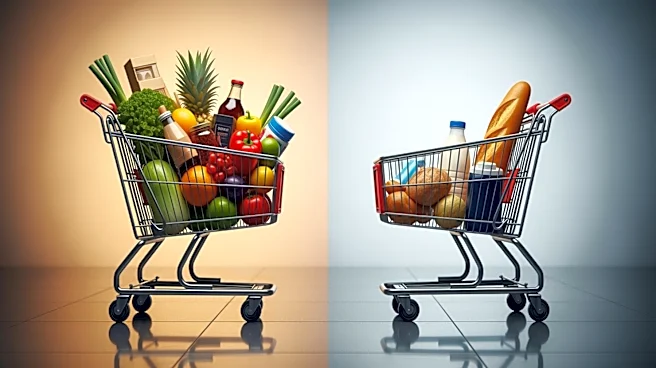
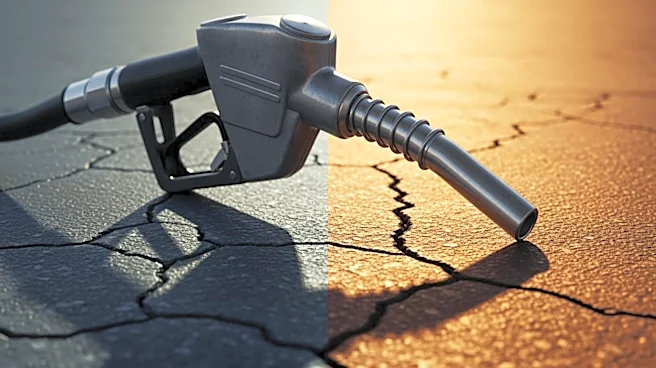
their real consumption more significantly than higher earners. This trend suggests that lower earners are cutting back on driving or finding alternative transportation methods. The K-shaped economy describes a scenario where higher earners maintain or improve their financial status, while lower earners experience a decline. The current economic conditions, marked by inflation and disparities in financial asset ownership, are contributing to this divide.
Why It's Important?
The widening gap between higher and lower earners due to rising gas prices underscores the challenges of economic inequality in the U.S. As lower-income households struggle to cope with increased costs, their financial stability and mobility are at risk. This situation could lead to broader societal impacts, including reduced consumer spending and increased reliance on public assistance programs. The persistence of a K-shaped recovery highlights the need for targeted economic policies to address these disparities and support vulnerable populations.