






What's Happening?
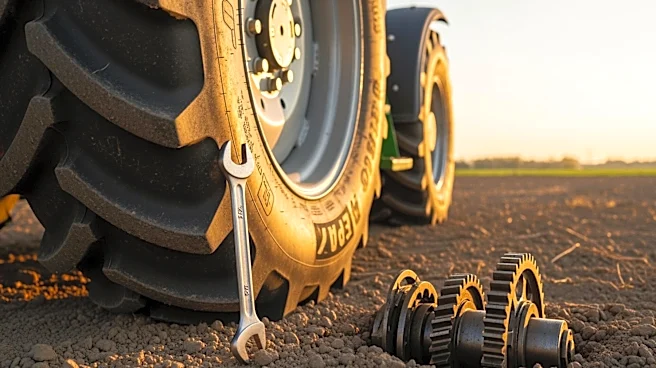
Deere, a prominent U.S. agricultural equipment manufacturer, has agreed to a $99 million settlement fund to resolve a class action lawsuit concerning right-to-repair practices. The lawsuit, filed in federal court in Chicago, Illinois, involves farmers
who have paid Deere's authorized dealers for repairs to large agricultural equipment since January 2018. The settlement includes a commitment from Deere to provide farmers with digital tools necessary for the maintenance, diagnosis, and repair of equipment such as tractors, combines, and sugarcane harvesters for the next ten years. This agreement follows broader scrutiny in the U.S. regarding manufacturers' control over repair tools and software, which some argue limits competition.
Why It's Important?
The settlement is significant as it addresses ongoing concerns about right-to-repair practices, which have been a contentious issue in the agricultural sector. By agreeing to provide digital repair tools, Deere is potentially setting a precedent for other manufacturers in the industry, which could lead to increased access to repair options for farmers. This development may reduce repair costs and improve equipment maintenance efficiency, benefiting the agricultural community. Additionally, the settlement could influence regulatory approaches and future litigation concerning right-to-repair practices, impacting how manufacturers interact with consumers and third-party repair services.
What's Next?
The settlement requires judicial approval before it can be finalized. If approved, Deere will implement the agreed-upon changes, potentially affecting how farmers access repair services and tools. The company also faces a separate lawsuit from the U.S. Federal Trade Commission, which accuses Deere of monopolizing repair services through its authorized dealer network. The outcome of this case could further impact Deere's business practices and the broader right-to-repair movement. Stakeholders, including farmers, repair service providers, and regulatory bodies, will likely monitor these developments closely.