



What's Happening?
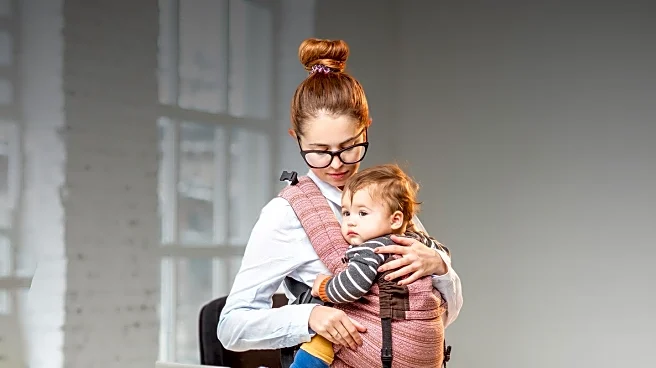
The University of Phoenix has released a white paper addressing the challenges faced by the 'sandwich generation,' particularly working mothers balancing childcare and eldercare responsibilities. Authored by Dr. TaMika Fuller and Dr. Victoria Lender,
the paper highlights how insufficient workplace support can lead to burnout, career stagnation, and reduced productivity. It provides actionable strategies for employers to better support these employees, such as expanding flexible work arrangements and enhancing caregiver-specific benefits. The paper emphasizes the importance of aligning workplace practices with the realities of caregiving demands to improve retention and workforce stability.
Why It's Important?
The sandwich generation represents a significant portion of the workforce, with nearly 23% of U.S. adults providing care for both children and aging parents. The challenges they face can impact organizational outcomes, including employee engagement and retention. By addressing these issues, companies can enhance job satisfaction and performance, ultimately benefiting their bottom line. The white paper's recommendations offer a roadmap for employers to create more supportive environments, which could lead to increased loyalty and reduced turnover. This approach aligns with broader trends towards more inclusive and flexible workplace policies.
What's Next?
Organizations may begin to implement the strategies outlined in the white paper to better support sandwich generation employees. This could involve revising existing policies to offer more flexibility and targeted benefits. As companies adopt these changes, they will need to monitor their impact on employee satisfaction and organizational performance. The success of these initiatives could influence other businesses to follow suit, potentially leading to widespread changes in workplace culture. Additionally, ongoing research and dialogue will be essential to address the evolving needs of this workforce segment.