







What's Happening?
FIFA, the global governing body for soccer, is under scrutiny for several controversial decisions and practices. Established in 1904, FIFA has been instrumental in organizing the World Cup, the world's largest soccer event. However, it has faced criticism
for issues such as the 'FIFAgate' scandal in 2015, where U.S. and Swiss authorities indicted several top officials for money laundering and racketeering. More recently, FIFA has been criticized for its ticket pricing strategy for the 2026 World Cup, which a fan group labeled as 'extortionate.' The cost of following a team through the tournament is projected to be nearly five times higher than in 2022. Additionally, FIFA's decision to award the 2022 World Cup to Qatar and the 2034 World Cup to Saudi Arabia has been controversial due to concerns over human rights abuses and accusations of 'sportswashing.'
Why It's Important?
The controversies surrounding FIFA have significant implications for the global soccer community and the organization's reputation. The 'FIFAgate' scandal highlighted issues of corruption within FIFA, leading to increased scrutiny and calls for reform. The high ticket prices for the 2026 World Cup could limit accessibility for fans, potentially affecting attendance and fan engagement. Furthermore, the decision to host World Cups in countries with questionable human rights records raises ethical concerns and could impact FIFA's image as a promoter of global sportsmanship. These issues underscore the need for transparency and accountability within FIFA to maintain its credibility and the integrity of the sport.
What's Next?
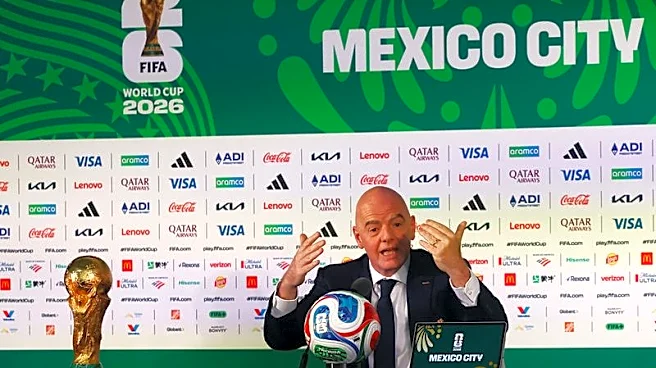
FIFA is likely to face ongoing pressure to address these controversies and implement reforms. Stakeholders, including fans, sponsors, and human rights organizations, may continue to demand greater transparency and ethical practices. The organization may need to reassess its decision-making processes, particularly regarding World Cup host selections and ticket pricing strategies. Additionally, FIFA's leadership, including President Gianni Infantino, may face increased scrutiny and calls for accountability. The upcoming World Cups will serve as critical tests for FIFA's ability to manage these challenges and restore trust among its global audience.