







What's Happening?
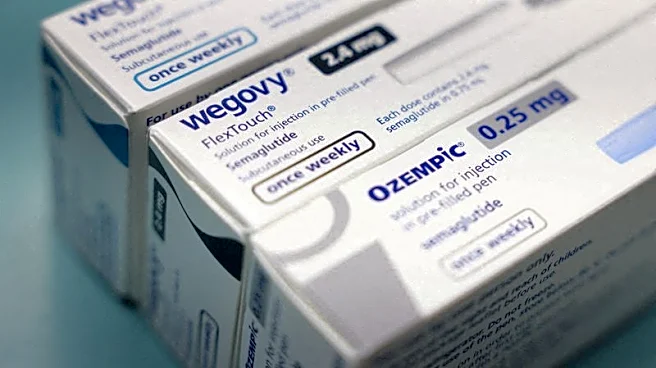
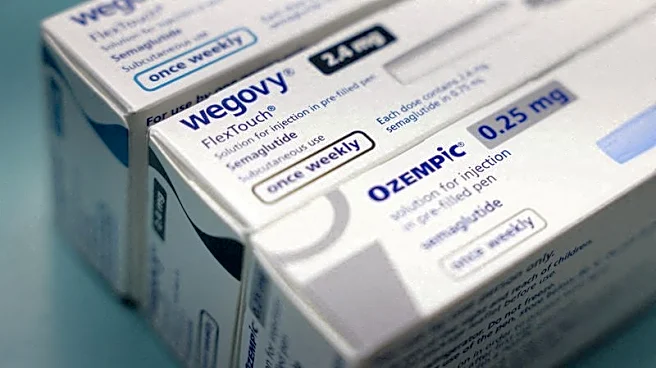
Pfizer and Eli Lilly have released their first-quarter earnings, with Pfizer surpassing consensus estimates but not meeting analysts' higher expectations. Eli Lilly reported a 56% increase in revenue, although the company believes it could have achieved
more if not for price reductions on several medications. In regulatory news, the FDA has appointed Katherine Szarama as the acting director of the Center for Biologics Evaluation and Research (CBER), following the end of Vinay Prasad's controversial tenure. The FDA also conducted its first advisory committee meeting in nine months, focusing on two AstraZeneca cancer drug applications. Additionally, there is renewed optimism in the ALS treatment space, with QurAlis and Corcept Therapeutics reporting positive mid-stage data for their respective candidates.
Why It's Important?
The earnings reports from Pfizer and Eli Lilly highlight the ongoing challenges and opportunities within the pharmaceutical industry. Pfizer's inability to fully satisfy analysts' expectations despite beating estimates underscores the high demands placed on major pharmaceutical companies. Eli Lilly's significant revenue increase, tempered by price reductions, reflects the complex balance between profitability and accessibility in the healthcare market. The FDA's leadership change and its impact on regulatory processes are crucial for the industry, as the agency's decisions can significantly influence drug approval timelines and market dynamics. The positive developments in ALS research offer hope for advancements in treating a disease that has seen limited progress, potentially benefiting patients and driving further investment in this area.
What's Next?
As Pfizer and Eli Lilly continue to navigate the financial and regulatory landscapes, their strategies in pricing and innovation will be closely watched by investors and industry stakeholders. The FDA's new leadership under Katherine Szarama may bring changes in regulatory priorities and processes, affecting future drug approvals. The positive data from QurAlis and Corcept Therapeutics could lead to further clinical trials and potential market entry, offering new treatment options for ALS patients. The pharmaceutical industry will likely continue to focus on balancing innovation with regulatory compliance and market demands.