






What's Happening?
A nationwide survey conducted by the American Farm Bureau Federation reveals that 70% of U.S. farmers cannot afford to purchase sufficient fertilizer for the year. The survey, which included over 5,700 farmers from all states and Puerto Rico, highlights
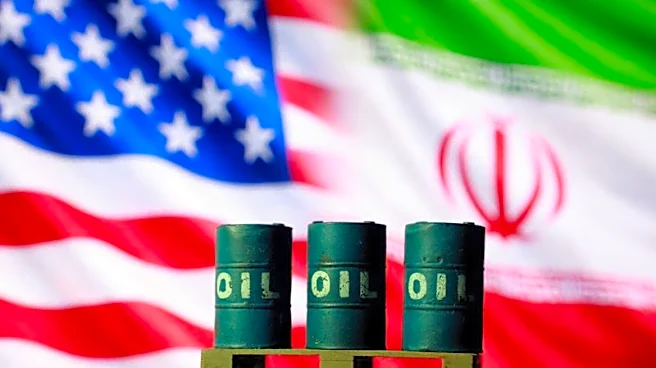
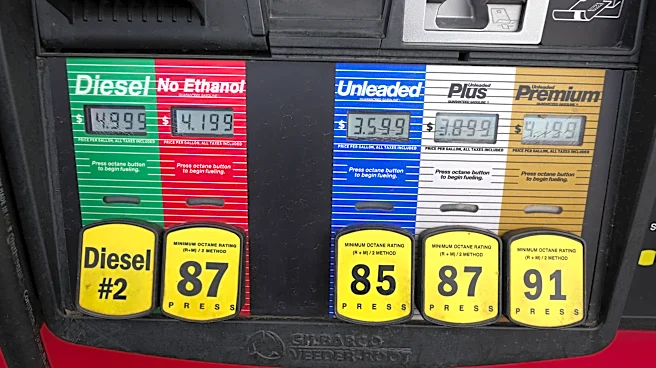
significant regional disparities, with 80% of Southern farmers facing affordability issues compared to 48% in the Midwest. The rising costs are attributed to geopolitical tensions in the Middle East, which have disrupted global markets and increased fertilizer and fuel prices by 20% to 40%. Many farmers are opting to delay fertilizer application in hopes of price reductions later in the season.
Why It's Important?
The inability to afford necessary fertilizers poses a significant threat to U.S. agriculture, potentially leading to reduced crop yields and increased food prices. This situation exacerbates the financial strain on farmers who have already faced years of economic challenges. The survey's findings underscore the urgent need for policy interventions to stabilize input costs and support farmers. The potential reduction in agricultural output could have far-reaching implications for food security and the agricultural economy.
What's Next?
The American Farm Bureau Federation plans to engage with policymakers in Washington to address the fertilizer affordability crisis. Potential solutions may include subsidies or financial assistance programs to help farmers manage rising input costs. The ongoing geopolitical tensions in the Middle East will continue to influence market conditions, and farmers will need to adapt their strategies accordingly. Monitoring the situation and advocating for supportive policies will be crucial in mitigating the impact on the agricultural sector.