



What's Happening?
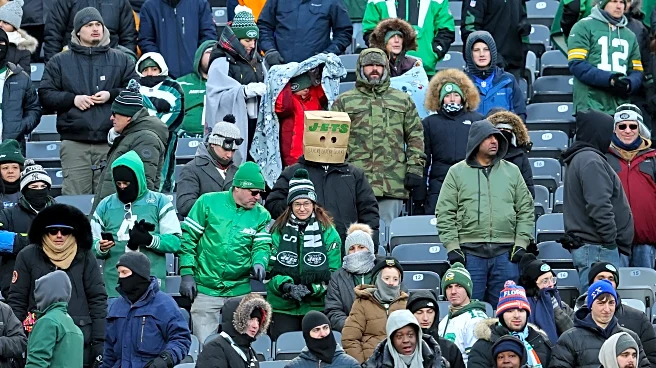
Woody Johnson, owner of the New York Jets, played a key role in the NFL's decision to end the NFLPA's team report cards, which were deemed to violate the collective bargaining agreement. These report cards had previously highlighted issues within team facilities and operations, leading to improvements for players. Johnson, whose team received low grades, including an 'F' for ownership, criticized the report cards as inaccurate. The NFL's decision to cease publication of these report cards marks a significant change in how team conditions are publicly assessed.
Why It's Important?
The cessation of the NFLPA's team report cards removes a tool that players used to advocate for better conditions and transparency within NFL teams. This decision could impact player welfare
and the ability to address grievances related to team facilities and management practices. Woody Johnson's involvement underscores the influence team owners have in shaping league policies, potentially prioritizing their interests over player feedback. The move may lead to less public accountability for team conditions, affecting player satisfaction and retention.
Beyond the Headlines
The end of the NFLPA's report cards raises questions about transparency and accountability in the NFL. Without these assessments, players may face challenges in voicing concerns and pushing for improvements. The decision could also affect the league's public image, as it may be perceived as prioritizing owner interests over player welfare. This development highlights the ongoing tension between players and management in professional sports, with implications for labor relations and collective bargaining in the future.