




What's Happening?
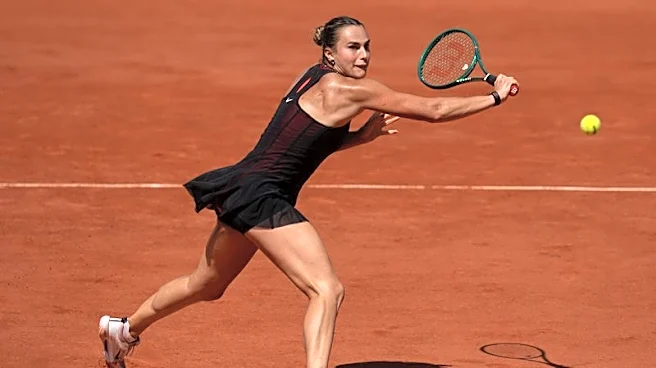
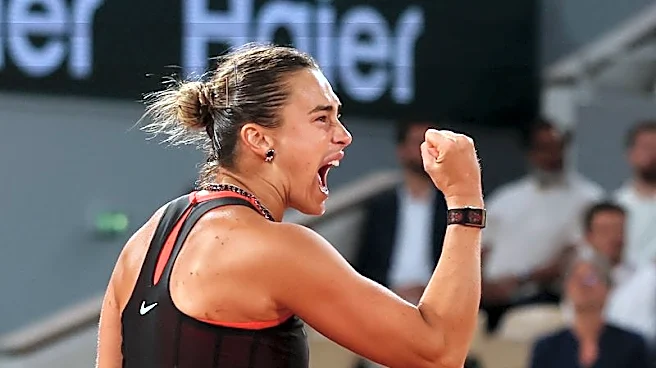
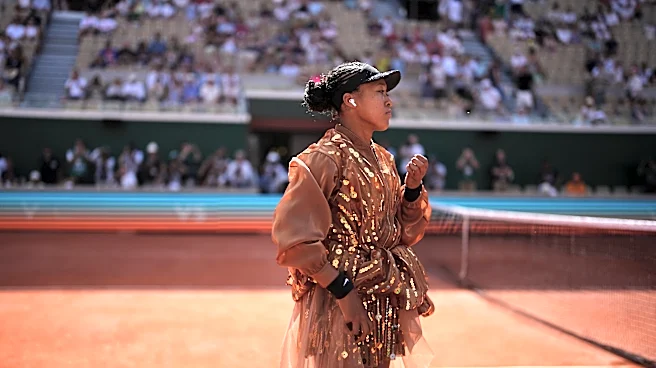
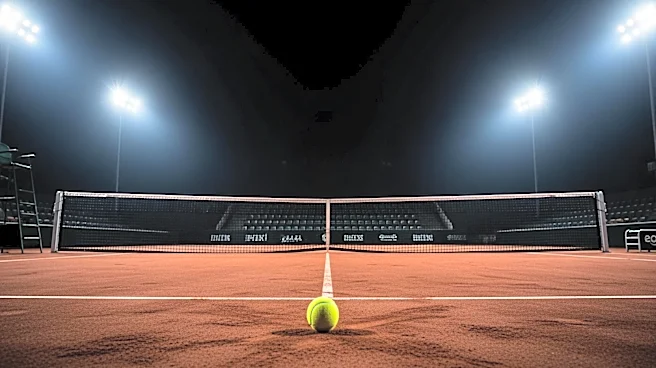
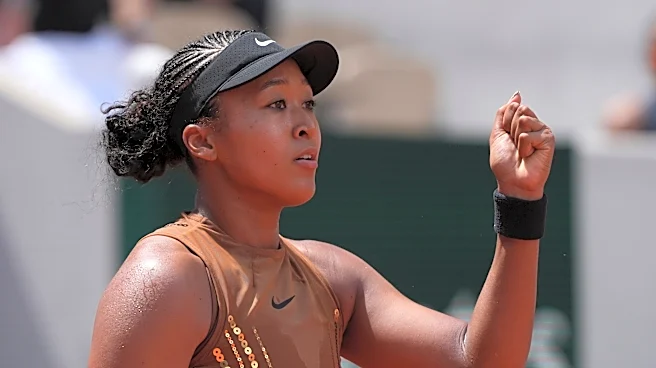
Aryna Sabalenka defeated Naomi Osaka in a significant night match at the French Open, marking the first women's night match in Paris since 2023. Sabalenka, the world No. 1, won with a score of 7-5, 6-3, advancing to the quarter-finals. This match was
notable not only for its competitive nature but also because it highlighted the return of women's matches to the night session spotlight at Roland Garros. Sabalenka's victory was a testament to her ability to elevate her game during crucial moments, showcasing her well-rounded skills and strategic play. Despite the loss, Osaka's performance was encouraging, as she has been making steady progress in recent months, reaching the fourth round at Roland Garros for the first time in her career.
Why It's Important?
The inclusion of a women's match in the night session at the French Open is a significant step towards gender equality in tennis, addressing past criticisms of the tournament's scheduling practices. Sabalenka's victory reinforces her status as a dominant force in women's tennis, while Osaka's performance indicates her potential resurgence in the sport. This match could influence future scheduling decisions, potentially leading to more balanced representation of men's and women's matches in prime viewing slots. The outcome also impacts the tournament's dynamics, as Sabalenka is now a strong contender for the title, which could further solidify her position at the top of the women's game.
What's Next?
Sabalenka will face the 25th seed Diana Shnaider in the quarter-finals, where she is heavily favored to advance. The outcome of this match could set the stage for a potential final appearance, further enhancing her reputation. For Osaka, the focus will be on building upon her recent progress and preparing for upcoming tournaments. The French Open organizers may also face increased pressure to continue featuring women's matches in night sessions, potentially leading to policy changes that promote gender equality in tennis scheduling.