


What's Happening?
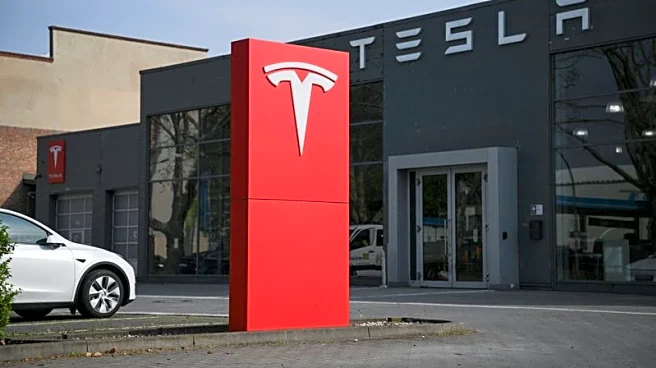
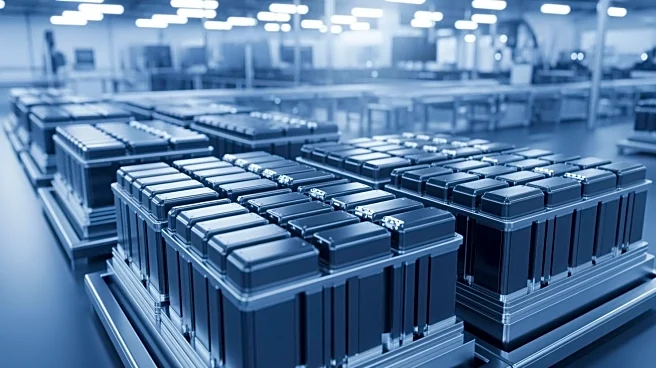
Tesla has announced a significant expansion of its partnership with South Korea's LG Energy Solution, agreeing to purchase $4.3 billion worth of battery cells. These cells will be produced at a facility in Lansing, Michigan, which was initially developed
for a joint venture between LG and General Motors. However, GM decided to withdraw from the initiative in late 2024, selling its stake to LG. This move is part of Tesla's strategy to bolster its energy business, which has been growing rapidly as data centers increase electricity demand. Tesla's energy segment, which includes products like the Megapack and Powerwall, saw a 27% revenue increase last year, despite a decline in its automotive business.
Why It's Important?
The deal underscores Tesla's commitment to expanding its energy storage capabilities, a sector that is becoming increasingly vital as the world shifts towards renewable energy sources. By securing a substantial supply of battery cells, Tesla is positioning itself to meet the growing demand for energy storage solutions, which are crucial for balancing the intermittent nature of renewable energy. This partnership also highlights the strategic importance of domestic production in the U.S., as it aligns with broader economic and energy security goals. The move could potentially create jobs and stimulate economic activity in Michigan, while also reinforcing Tesla's competitive edge in the global energy market.
What's Next?
Tesla's focus on its energy business is expected to continue, with CEO Elon Musk indicating high growth potential for the segment. However, the company may face challenges such as margin compression due to low-cost competition and tariffs. The Lansing facility will need to ramp up production to meet the demands of this new agreement, which could involve further investments in infrastructure and workforce development. Additionally, Tesla will need to navigate the competitive landscape, where other companies like BYD and emerging startups are also vying for market share in the energy storage sector.