



What's Happening?
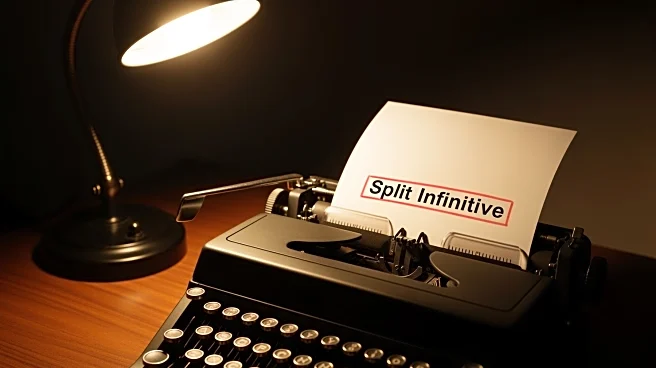
In 1948, renowned detective novelist Raymond Chandler found himself in a dispute with The Atlantic's editorial department over a grammatical correction in his essay. Chandler, known for his distinctive writing style, was frustrated when a copy editor corrected
a split infinitive in his text. He argued that his use of split infinitives was intentional, reflecting his narrative style. Chandler's essay criticized Hollywood's film industry, and he had proposed several provocative titles, which were toned down by the magazine's editor. The disagreement with the copy editor, Margaret Mutch, led Chandler to write a poem mocking her adherence to grammatical rules. This incident underscores Chandler's resistance to strict grammatical conventions in favor of his creative expression.
Why It's Important?
This incident highlights the ongoing tension between creative expression and editorial standards in publishing. Chandler's defense of his stylistic choices reflects a broader debate about the role of grammar in writing. For writers and editors, this case illustrates the challenges of balancing authorial voice with editorial guidelines. The story also sheds light on the historical context of publishing, where women like Mutch often played crucial but unrecognized roles. Chandler's critique of Hollywood and his clash with The Atlantic reveal the complexities of artistic integrity and commercial pressures. This episode is a reminder of the enduring struggle between maintaining a unique voice and conforming to industry norms.