
What's Happening?
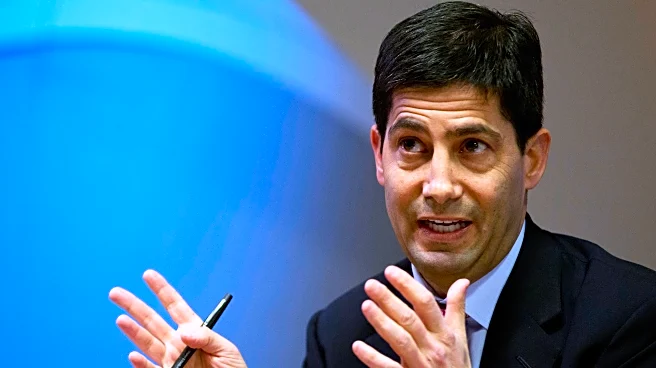
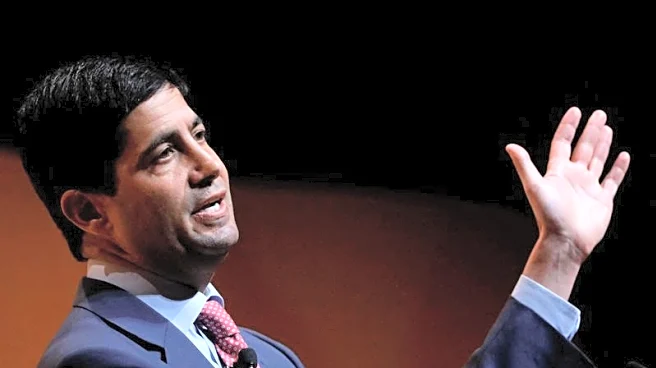
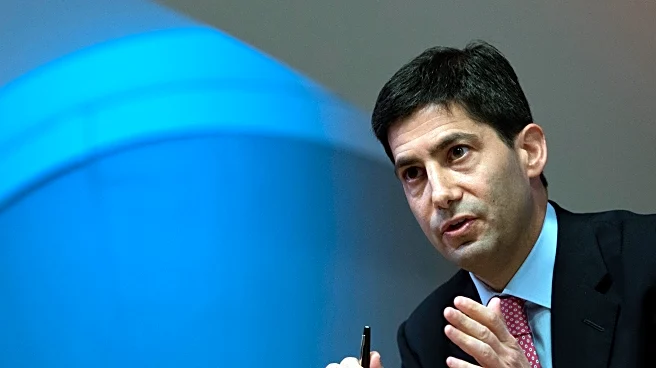
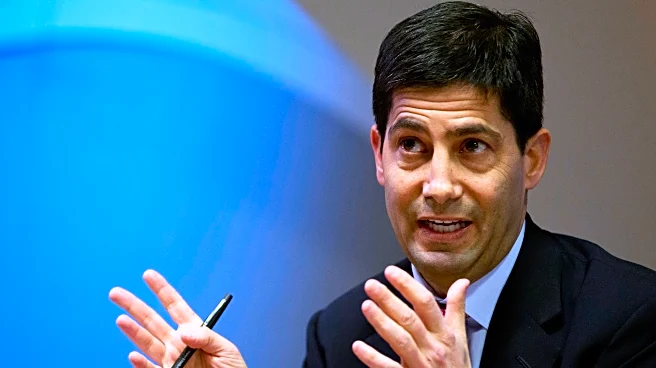
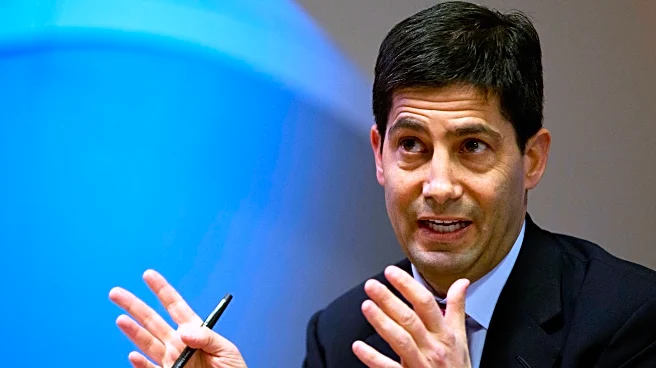
Kevin Warsh, a former Federal Reserve governor, has been nominated by President Trump to lead the Federal Reserve. Known for his hawkish stance on inflation, Warsh's nomination has led to significant market
reactions. The U.S. dollar strengthened, while precious metals like gold and silver experienced sharp declines. Warsh's reputation suggests he may resist calls to lower interest rates, aligning with a tighter monetary policy. This development comes amid a backdrop of market volatility, with significant fluctuations in commodities and cryptocurrencies. The nomination is seen as a strategic move by President Trump, who has expressed a preference for a weaker dollar to support U.S. manufacturing and reduce trade deficits.
Why It's Important?
Warsh's nomination is crucial as it signals a potential shift in U.S. monetary policy towards tighter controls, which could impact inflation and interest rates. A stronger dollar could affect U.S. exports by making them more expensive abroad, potentially impacting American producers. The market's reaction underscores the sensitivity of financial markets to changes in Federal Reserve leadership. Warsh's approach may also influence international perceptions of U.S. economic stability, affecting foreign investments. The decision reflects broader economic strategies under President Trump, who has been vocal about his economic priorities, including reshoring manufacturing and reducing trade deficits.
What's Next?
The financial markets are likely to continue reacting to Warsh's nomination as stakeholders assess his potential impact on monetary policy. Investors and businesses will be closely monitoring any statements or policy directions from Warsh that could indicate future interest rate changes. Additionally, international markets may adjust their strategies in response to a potentially stronger U.S. dollar. The nomination could also prompt discussions within the Federal Reserve about balancing inflation control with economic growth. As Warsh assumes his role, his decisions will be pivotal in shaping the U.S. economic landscape in the coming years.