






What's Happening?
Stuart Austin, co-founder of Audacious Agriculture, highlighted the transformative potential of artificial intelligence (AI) in agriculture during a presentation at the GA 2026 Today, Tomorrow and Beyond conference in Geelong. Austin emphasized that AI could
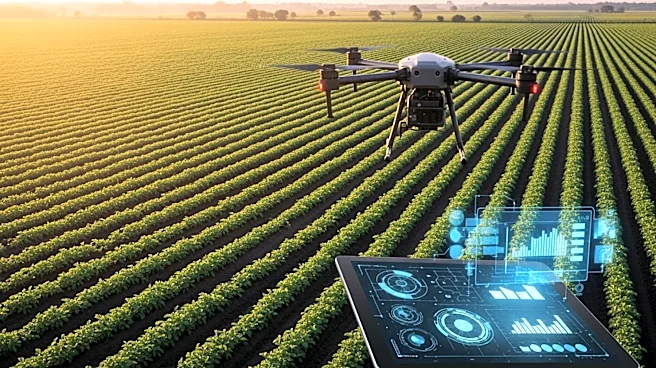
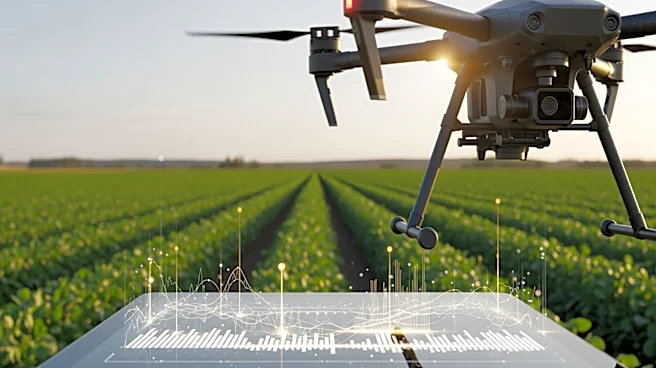
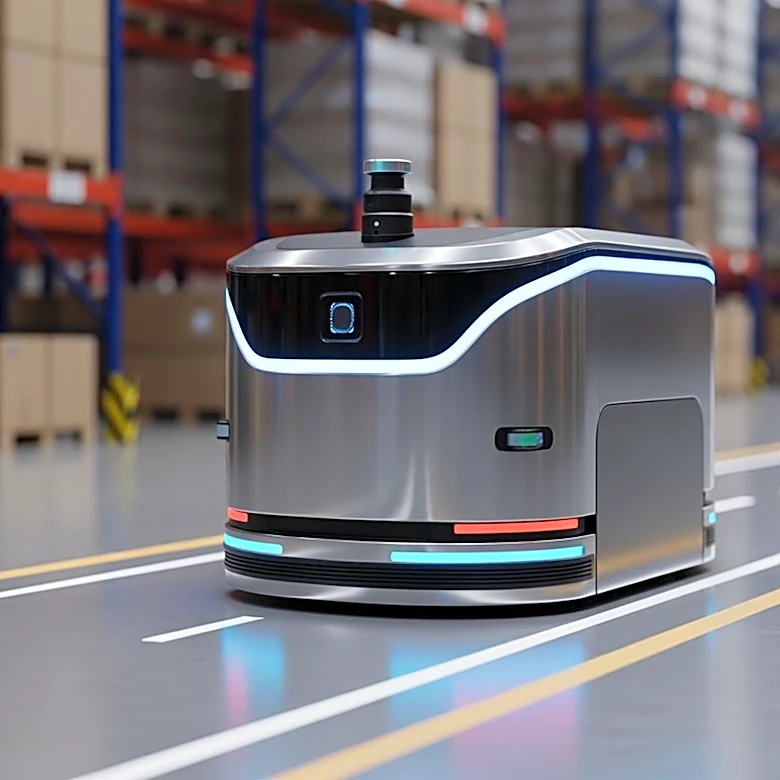
revolutionize farming by providing easier and quicker access to data and new imaging opportunities. This technological advancement is expected to enhance the ability of farmers to analyze and interpret vast amounts of data, which has traditionally been a bottleneck in agricultural operations. AI's capabilities in processing images and videos to measure animal attributes were also discussed, suggesting that some existing hardware technologies might become obsolete. Additionally, the introduction of robotics in abattoirs and feedlots could address labor shortages in these sectors.
Why It's Important?
The integration of AI into agriculture is significant as it promises to increase productivity and efficiency in farming operations. By enabling rapid data analysis, AI can help farmers make more informed decisions, potentially leading to better crop yields and resource management. The use of AI in image processing could also improve livestock management by providing precise measurements of animal health and growth. While there are concerns about job displacement due to automation, the agricultural sector, which often struggles with labor shortages, might benefit from AI-driven solutions that fill these gaps. Companies that adopt AI technologies are likely to gain a competitive edge, driving innovation and growth in the agricultural industry.
What's Next?
As AI technology continues to evolve, its adoption in agriculture is expected to expand. Farmers and agricultural businesses may increasingly invest in AI tools to enhance their operations. The development of smarter robotics could further automate repetitive tasks, potentially reshaping the workforce in agriculture. Stakeholders, including policymakers and industry leaders, might focus on addressing the ethical and economic implications of AI integration, ensuring that the benefits are maximized while minimizing potential job losses. Ongoing research and development in AI applications for agriculture will likely continue, with an emphasis on creating sustainable and efficient farming practices.
Beyond the Headlines
The broader implications of AI in agriculture extend to environmental sustainability and food security. By optimizing resource use and reducing waste, AI can contribute to more sustainable farming practices. This technological shift could also play a role in addressing global food security challenges by improving the efficiency and resilience of food production systems. Additionally, the ethical considerations of AI in agriculture, such as data privacy and the impact on rural communities, will need to be addressed as the technology becomes more prevalent.