




What's Happening?
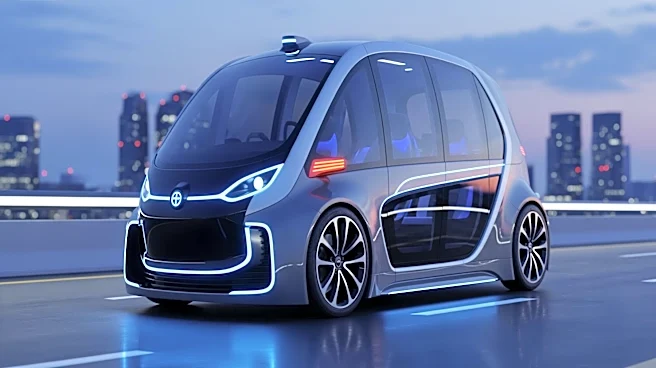
Uber is significantly increasing its investment in autonomous vehicle technology, committing over $10 billion to the sector. This includes $2.5 billion in direct investments and $7.5 billion earmarked for purchasing robotaxis over the coming years. The
company has been actively investing in various autonomous vehicle companies, such as WeRide, Lucid, Nuro, Rivian, and Wayve. This marks a shift from Uber's previous strategy of being asset-light, as it now focuses on owning or leasing physical assets rather than developing the technology in-house. This move is reminiscent of Uber's past ventures into asset-heavy investments, such as its previous autonomous vehicle unit, Uber ATG, and its electric air taxi project, Uber Elevate, both of which were eventually sold off.
Why It's Important?
Uber's substantial investment in autonomous vehicles highlights the company's strategic pivot towards owning physical assets, which could reshape its business model and market position. This shift could have significant implications for the transportation industry, potentially accelerating the adoption of autonomous vehicles. By investing heavily in this technology, Uber aims to maintain a competitive edge in the evolving mobility landscape. This move could also influence other companies in the sector to increase their investments in autonomous technology, potentially leading to faster advancements and broader adoption. The financial commitment underscores the importance of autonomous vehicles in Uber's future growth strategy and its potential impact on urban transportation systems.
What's Next?
As Uber continues to invest in autonomous vehicle technology, the company may face challenges related to regulatory approvals, technological advancements, and public acceptance. The success of this strategy will depend on Uber's ability to integrate these technologies into its existing services and navigate the complex regulatory landscape. Additionally, Uber's competitors may respond by increasing their own investments in autonomous technology, leading to intensified competition in the sector. The outcome of these investments will likely influence Uber's long-term growth and its role in the future of transportation.