




What's Happening?
Aliko Dangote, Africa's richest businessman, is favoring Kenya for a proposed $15 billion to $17 billion refinery project. The decision follows technical assessments that ranked Kenya ahead of other East African locations, such as Tanzania and Mozambique.
The assessments highlighted Kenya's strategic access to crude supplies, deep-water port infrastructure, and regional fuel market reach as key factors. The proposed location in Kenya would allow the refinery to source crude oil from multiple regional producers, including Uganda, South Sudan, and Tanzania, while also facilitating imports from international suppliers. Mombasa, Kenya's coastal city, was preferred over Tanzania's Tanga port due to its larger, deeper port and stronger fuel demand. Mombasa serves as East Africa's main petroleum gateway, providing a hub for fuel import and distribution to several countries in the region.
Why It's Important?
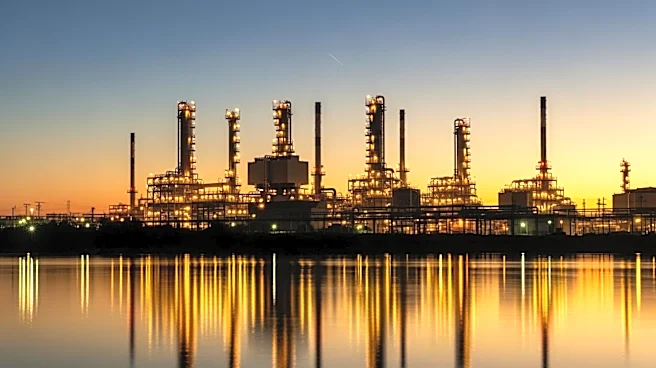
The establishment of a mega-refinery in Kenya could significantly impact the East African region's energy landscape. By enhancing local refining capacity, the project aims to reduce the region's dependence on imported refined petroleum products, which currently exposes it to external supply shocks and volatile global fuel prices. The refinery is expected to process about 650,000 barrels of crude oil per day, potentially stabilizing fuel supply and prices in the region. Additionally, the project could bolster Kenya's economy by creating jobs and increasing its influence in the regional energy market. The strategic location of Mombasa along major Indian Ocean shipping routes, combined with existing oil handling infrastructure, positions Kenya as a key player in supplying both domestic and regional fuel markets.
What's Next?
The next steps involve finalizing the technical and economic assessments and securing necessary approvals and investments for the project. Stakeholders, including regional governments and potential investors, will likely engage in discussions to outline the project's framework and address logistical and regulatory challenges. The project's progress will be closely monitored by industry analysts and regional governments, as it holds the potential to reshape the energy dynamics in East Africa. The development may also prompt other countries in the region to explore similar initiatives to enhance their energy security and reduce reliance on imported fuels.