
What's Happening?
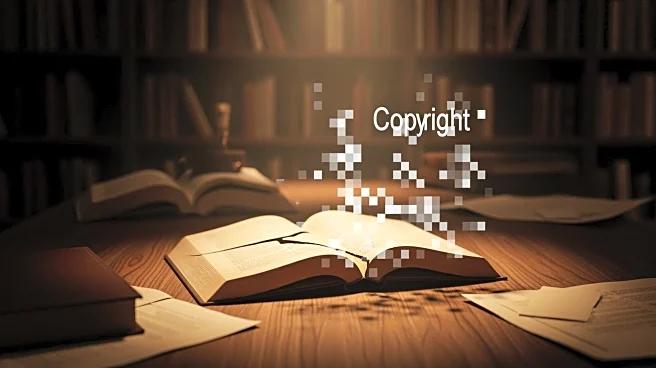
The U.S. Supreme Court has decided not to review a lower court ruling that denied copyright protection to an artwork generated by artificial intelligence (AI). The case centered around the question of whether a non-human entity can be considered the creator
of a work for the purposes of copyright law. The lower court had ruled that copyright protection requires a human creator, thus excluding AI-generated works from such protection. This decision has significant implications for the burgeoning field of AI-generated art, which has been gaining popularity and commercial interest.
Why It's Important?
The Supreme Court's decision not to review the case leaves the lower court's ruling intact, reinforcing the legal precedent that copyright protection is reserved for works created by humans. This has broad implications for artists and companies investing in AI technology for creative purposes. Without the ability to secure copyright, creators of AI-generated art may face challenges in protecting their works from unauthorized use or reproduction. This could impact the commercial viability of AI-generated art and influence how artists and businesses approach the use of AI in creative processes.
What's Next?
The decision may prompt legislative action or further legal challenges as stakeholders in the art and technology sectors seek clarity on the rights associated with AI-generated works. Artists and companies may need to explore alternative legal protections, such as trademarks or patents, to safeguard their AI-generated creations. Additionally, the ruling could influence how AI is integrated into creative industries, potentially leading to new business models or collaborations between human artists and AI technologies.