






What's Happening?
The airline industry is experiencing significant disruptions due to a combination of geopolitical tensions and economic challenges. The U.S. conflict with Iran has led to the cancellation and rerouting of flights to the Middle East, while the blockage
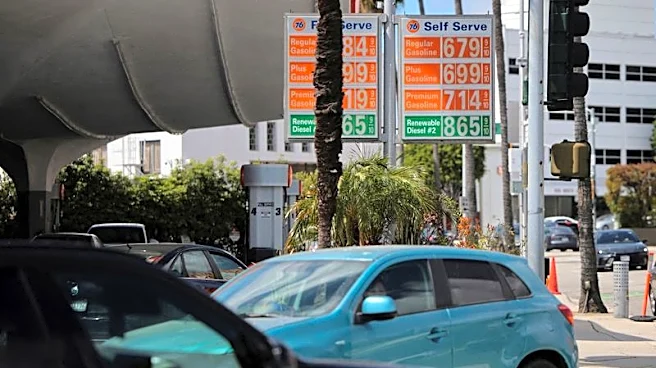
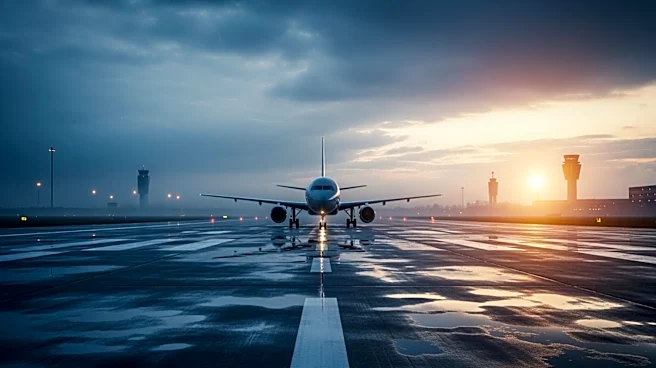
of the Strait of Hormuz has caused a spike in jet fuel prices. This has resulted in increased ticket prices for consumers, as airlines pass on the costs. Additionally, a budget impasse in Congress has left TSA workers unpaid, leading to long security lines at airports. Despite these challenges, demand for air travel remains high, with airlines reporting record revenues as travelers continue with their plans.
Why It's Important?
The current situation highlights the vulnerability of the airline industry to geopolitical and economic fluctuations. The increased costs and operational challenges could lead to a reevaluation of pricing strategies and crisis management within the industry. For consumers, the rising costs of air travel may impact travel plans and budgets, potentially affecting tourism and related sectors. The deployment of ICE agents at airports due to TSA staff shortages also raises concerns about the adequacy of airport security and the potential for further disruptions.
What's Next?
As the situation evolves, airlines may need to explore alternative strategies to manage fuel costs and maintain operational efficiency. The resolution of the budget impasse in Congress could alleviate some of the staffing issues at airports, improving the travel experience for passengers. However, continued geopolitical tensions could lead to further disruptions and price increases. Stakeholders, including government agencies and industry leaders, will need to collaborate to address these challenges and ensure the stability of the airline industry.