



What's Happening?
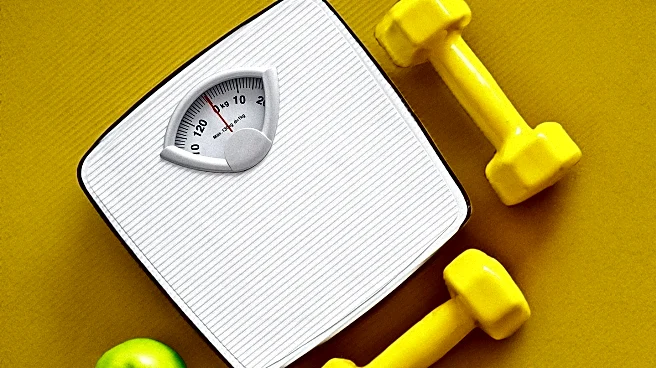
Smart scales, popular for their ability to measure body fat, muscle mass, and other health metrics, are being scrutinized for their accuracy. According to Stella Lucia Volpe, a professor at Virginia Tech, while smart scales provide more data than traditional
scales, they do not match the accuracy of 'gold standard' methods like dual-energy X-ray absorptiometry (DXA). These scales offer estimations based on age, sex, and body weight, which can be useful for general guidance but should not be relied upon for precise health assessments. Users are advised to weigh themselves consistently under similar conditions to minimize fluctuations and inaccuracies.
Why It's Important?
The popularity of smart scales reflects a growing consumer interest in personal health monitoring. However, the limitations in accuracy highlight the need for consumers to understand the capabilities and constraints of these devices. While smart scales can offer valuable insights into general health trends, they should not replace professional medical assessments. This awareness is crucial for consumers to make informed decisions about their health and avoid potential misinterpretations of their health data. The discussion also emphasizes the importance of evidence-based health practices and the role of professional guidance in health management.