






What's Happening?
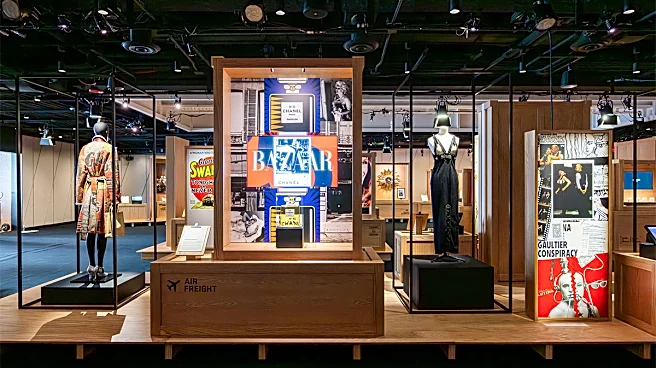
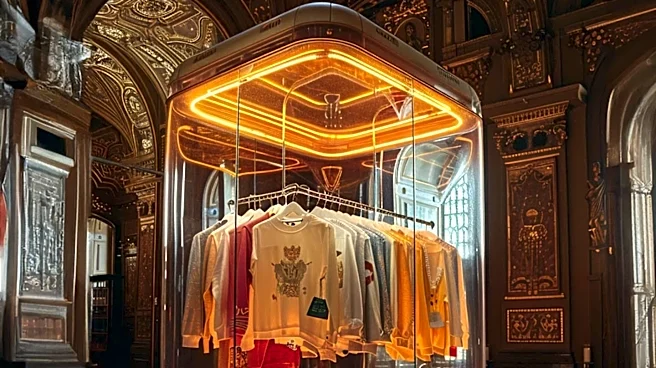
A new exhibit in Manhattan, titled 'Hidden Treasures,' celebrates 250 years of Franco-American relations by showcasing French luxury goods that have influenced American culture. Organized by Comité Colbert, the exhibit features items from 65 French luxury maisons,
including a Givenchy coat worn by Jacqueline Kennedy and a Cartier lunar module replica from Apollo 11. The exhibit underscores the enduring American fascination with French elegance and craftsmanship, a relationship that dates back to the 18th century. The exhibit is part of a broader celebration of the United States' semiquincentennial and highlights the significant role French luxury has played in shaping American cultural tastes.
Why It's Important?
The exhibit highlights the deep cultural ties between France and the United States, emphasizing how French luxury goods have become a symbol of status and sophistication in American society. This relationship has economic implications, as American consumers represent a significant market for French luxury brands. The expansion of French luxury houses in the U.S., such as Hermès opening a new location in Nashville, reflects the growing demand for these products. The exhibit also illustrates how French luxury brands are adapting their offerings to appeal to a broader American audience, similar to strategies used in other emerging markets like China.
What's Next?
As French luxury brands continue to expand in the U.S., they are likely to increase their presence in more American cities beyond traditional luxury hubs. This expansion could lead to more collaborations and cultural exchanges between the two countries. Additionally, the luxury sector may face challenges from economic uncertainties and trade policies, but the focus on cultural ties and consumer demand is expected to drive growth. The exhibit serves as a platform for French brands to strengthen their foothold in the U.S. market and engage with a new generation of American consumers.
Beyond the Headlines
The exhibit not only celebrates luxury but also serves as a reminder of the historical and cultural exchanges that have shaped the relationship between France and the United States. It highlights the role of luxury goods in cultural diplomacy and how they can bridge cultural differences. The exhibit also raises questions about the sustainability and ethical considerations of luxury consumption, as brands navigate the balance between exclusivity and accessibility in a globalized market.