
What's Happening?
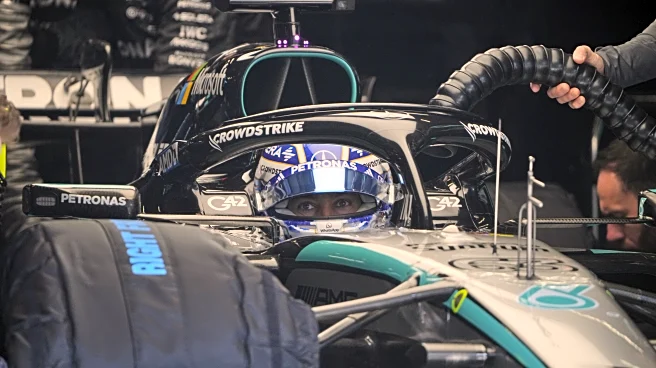
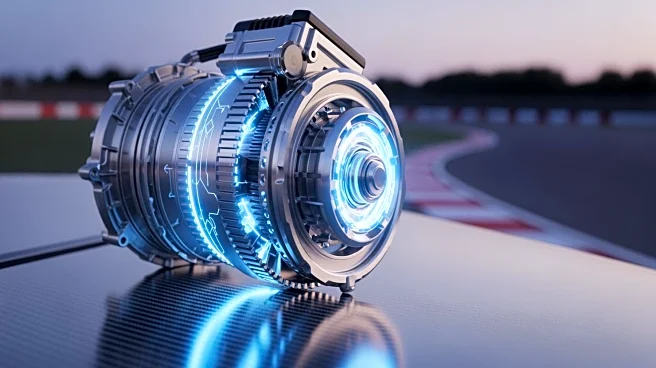
The introduction of new hybrid engines in Formula 1 has sparked a debate among drivers and fans about the nature of racing. These engines, which feature a 50-50 split between internal combustion and electrical power, have changed the dynamics of wheel-to-wheel
racing. Drivers like Lewis Hamilton and Max Verstappen have expressed mixed feelings about the new system, which includes 'boost' and 'overtake' modes that provide extra electrical energy. While these modes can enhance overtaking opportunities, they also leave drivers vulnerable to being re-passed due to battery depletion. The changes have led to a new style of racing, with some drivers likening it to video games.
Why It's Important?
The shift to hybrid engines in Formula 1 reflects broader trends in the automotive industry towards sustainability and innovation. This change is significant as it impacts the strategies and skills required by drivers, potentially altering the competitive landscape. The debate highlights the tension between technological advancement and traditional racing values, raising questions about the future direction of the sport. As Formula 1 continues to evolve, these developments could influence fan engagement and the sport's global appeal, as well as set precedents for other racing series considering similar technological integrations.