


What's Happening?
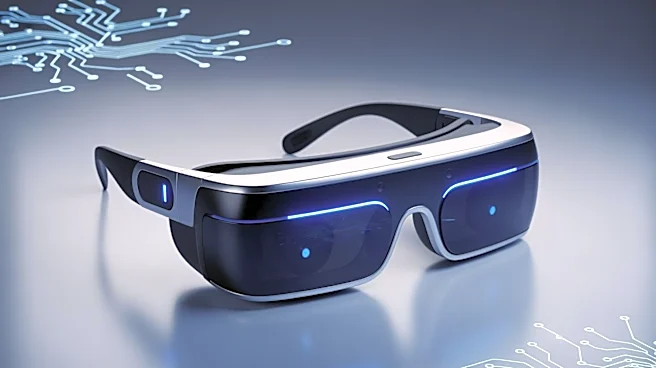
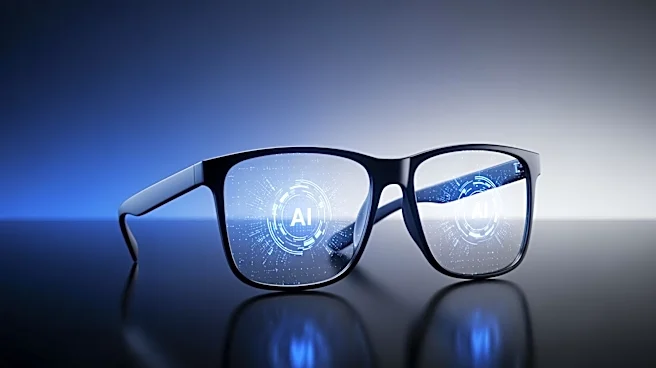
In 2026, several companies are advancing augmented reality (AR) glasses technology, with Snap and Meta at the forefront. Snap's Specs, powered by Qualcomm's Snapdragon XR platform, aim to enhance everyday AR experiences with faster processing and third-party
app integration. Meta has introduced two new Ray-Ban prescription smart glasses, available for preorder at $499, which are expected to increase the accessibility of smart eyewear by entering optical stores and insurance channels. Warby Parker, in collaboration with Google, plans to bring AI-assisted smart glasses to retail and optical clinics, potentially accelerating adoption among eyeglass wearers. Additionally, Nothing is rumored to be developing smart glasses with a focus on design, targeting style-conscious consumers.
Why It's Important?
The introduction of these AR glasses represents a significant shift in the wearable technology market, potentially transforming smart glasses from niche gadgets to mainstream accessories. By lowering price points and integrating with existing optical and insurance infrastructures, companies like Meta and Warby Parker are making smart eyewear more accessible to the general public. This could lead to increased adoption and familiarity with AR technology, influencing how consumers interact with digital content in their daily lives. The competition among major tech companies to innovate in this space may drive further advancements in AR capabilities and applications, impacting industries such as retail, healthcare, and entertainment.
What's Next?
As these AR glasses become more widely available, consumer response and adoption rates will be critical in determining their success. Companies will likely continue to refine their products based on user feedback and technological advancements. Privacy concerns, particularly with features like Meta's proposed facial recognition, may prompt regulatory scrutiny and influence future product designs. The market's response to these innovations will shape the direction of AR technology and its integration into everyday life.