






What's Happening?
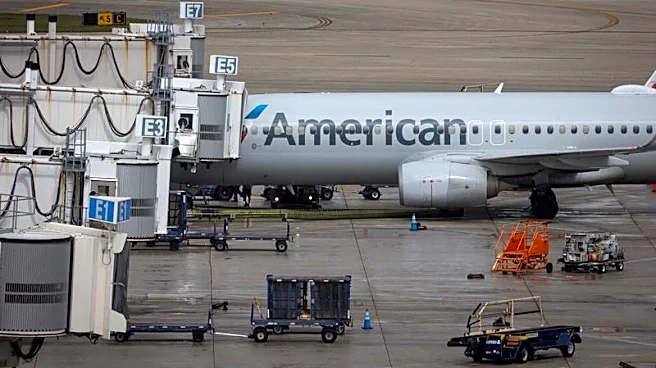
United Airlines CEO Scott Kirby has publicly confirmed that he approached American Airlines with a proposal for a potential merger. This acknowledgment follows weeks of speculation about a possible union between the two major U.S. airlines. Kirby stated
that the merger would benefit travelers by creating a larger, more competitive airline. However, American Airlines has declined to engage in discussions, citing concerns over competition and consumer impact. The proposal comes at a time when both airlines are facing increased operational costs due to rising jet fuel prices linked to the ongoing conflict in Iran. The Federal Aviation Administration has also ordered a reduction in daily flights at Chicago's O'Hare International Airport, a major hub for both airlines, to manage congestion.
Why It's Important?
The potential merger between United and American Airlines could significantly impact the U.S. airline industry by reducing competition and potentially leading to higher prices for consumers. The merger could also face regulatory scrutiny due to antitrust concerns. The rising cost of jet fuel, exacerbated by geopolitical tensions, is a critical factor influencing airline operations and profitability. A merger could help the airlines manage these costs more effectively by consolidating resources and expanding their global reach. However, the rejection by American Airlines and opposition from President Trump highlight the complexities and challenges of such a significant industry consolidation.
What's Next?
While American Airlines has publicly rejected the merger proposal, the situation remains fluid. United Airlines may continue to explore other strategic options to enhance its competitiveness and manage rising operational costs. The FAA's decision to cut flights at O'Hare will take effect in June, which may further influence the airlines' operational strategies. Stakeholders, including regulators and consumer advocacy groups, will likely continue to monitor developments closely, given the potential implications for market competition and consumer choice.