






What's Happening?
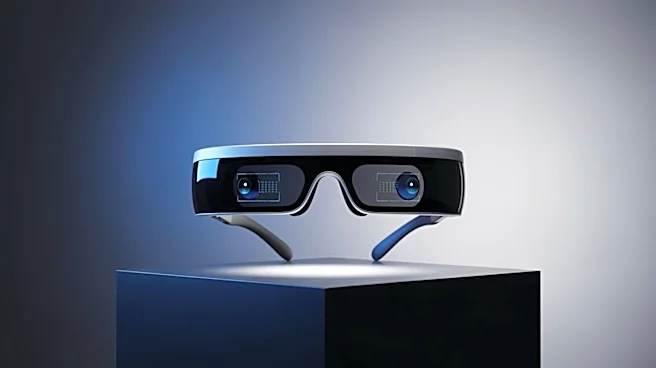
In 2026, the smart glasses market is witnessing significant developments as major tech companies and fashion brands collaborate to introduce innovative products. Apple is reportedly testing four prototype designs, indicating a strategic move to capture
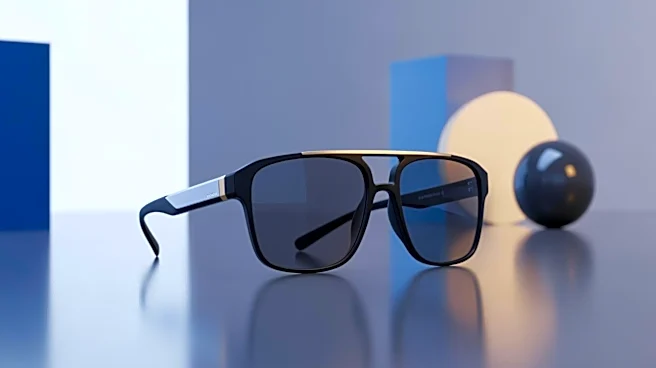
diverse market segments. Meanwhile, Gucci, in partnership with Google, plans to launch a luxury line of smart glasses targeting fashion-forward consumers. This collaboration aims to transform augmented reality (AR) glasses from niche gadgets into mainstream fashion accessories. Additionally, Meta has expanded its Ray-Ban line to include prescription-capable smart frames, potentially normalizing AR price points. Snap's Specs unit is set to utilize Qualcomm's Snapdragon XR chips, promising enhanced performance and battery life. These developments suggest a shift in the smart glasses industry towards more practical and stylish offerings, appealing to a broader audience.
Why It's Important?
The introduction of smart glasses by major tech and fashion brands marks a pivotal moment in the wearable technology industry. By integrating advanced AR features with luxury branding, companies like Gucci and Google are poised to redefine consumer perceptions of smart glasses, potentially increasing their adoption. The use of Qualcomm's Snapdragon XR chips by Snap indicates a focus on improving user experience through faster processing and better battery efficiency. This technological advancement could lead to more widespread use of AR applications in daily life. Furthermore, the availability of prescription-capable smart glasses by Meta may lower entry barriers for consumers who require vision correction, expanding the market reach. These innovations could drive significant growth in the wearable tech sector, influencing consumer behavior and setting new standards for future product development.
What's Next?
As these smart glasses enter the market, consumer response will be crucial in determining their success. The collaboration between tech giants and fashion brands suggests a trend towards integrating technology with lifestyle products, potentially leading to further partnerships in the future. Companies will likely focus on developing applications that enhance the functionality of smart glasses, making them indispensable in everyday life. The success of these products could encourage other tech and fashion brands to explore similar collaborations, further diversifying the market. Additionally, as more affordable models become available, competition may drive innovation and price reductions, making smart glasses accessible to a wider audience.
Beyond the Headlines
The convergence of technology and fashion in the smart glasses market raises questions about privacy and data security. As these devices become more integrated into daily life, ensuring user data protection will be paramount. The luxury branding of smart glasses also highlights a cultural shift towards viewing technology as a status symbol, potentially influencing consumer purchasing decisions. Moreover, the emphasis on style and practicality suggests a long-term trend of wearable technology becoming an integral part of personal fashion, blurring the lines between tech gadgets and fashion accessories.