



What's Happening?
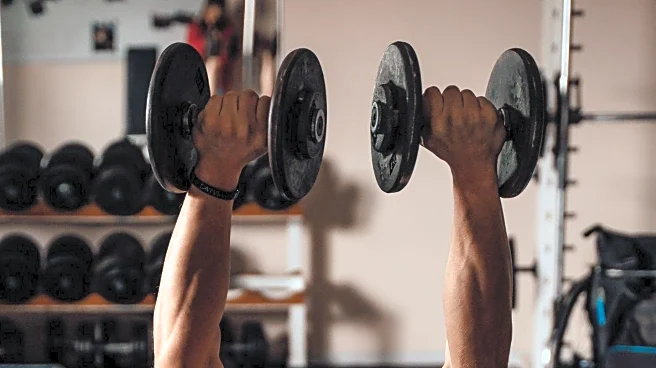
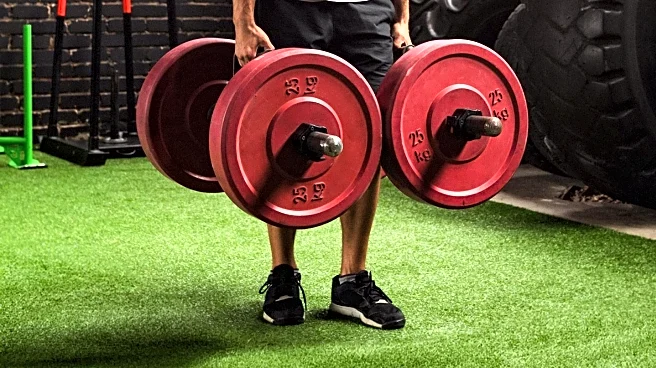
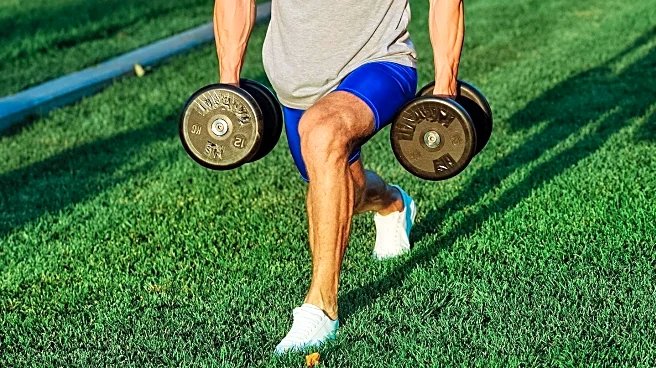
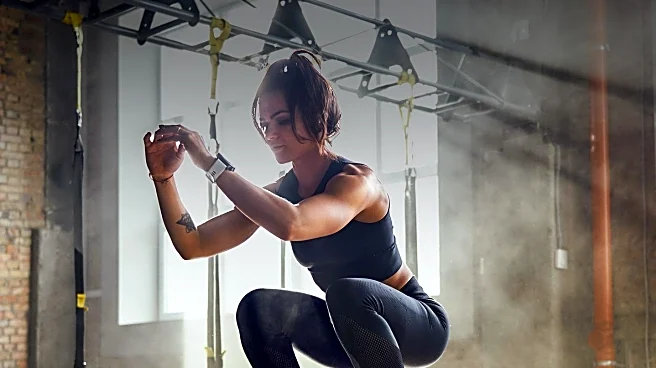
Caroline Idiens, a personal trainer and founder of the fitness platform Caroline’s Circuits, has identified common training mistakes made by women over 50. With a focus on midlife fitness, Idiens emphasizes the importance of strength training over cardio, proper rest, and adequate protein intake. She advises against following fitness fads and highlights the need for consistent, functional exercises that mimic everyday movements. Idiens also stresses the importance of rest days for muscle recovery and warns against the misconception that weight lifting leads to a bulky physique. Her approach is designed to help women maintain muscle mass, improve bone density, and enhance overall health during and after menopause.
Why It's Important?
The insights provided by Caroline
Idiens are crucial for women over 50, a demographic that often faces unique health challenges such as menopause-related symptoms and age-related muscle loss. By focusing on strength training, women can improve their metabolic health, bone density, and long-term independence. Idiens' advice counters common misconceptions about fitness in midlife, such as the overreliance on cardio and the fear of bulking up from weight lifting. Her guidance can help women achieve better physical and mental health outcomes, supporting a more active and fulfilling lifestyle as they age.
What's Next?
Women over 50 are encouraged to incorporate Idiens' recommendations into their fitness routines. This includes prioritizing strength training, ensuring adequate protein intake, and allowing for proper rest and recovery. By doing so, they can enhance their physical resilience and overall well-being. Fitness professionals and health advocates may also use these insights to tailor programs that address the specific needs of this age group, promoting a more informed and effective approach to midlife fitness.
Beyond the Headlines
Idiens' approach highlights a broader cultural shift towards recognizing the importance of tailored fitness programs for older adults. As the population ages, there is an increasing need for fitness solutions that address the specific health concerns of older demographics. This shift could lead to more inclusive fitness environments and greater awareness of the benefits of strength training for long-term health.